Maintenance & repair
Permeable paver maintenance and repair.
Permeable interlocking pavers, pervious concrete and grid systems. Tested, vacuumed, re-stoned and reset so water goes back into the pavement.

Maintenance & repair
Permeable interlocking pavers, pervious concrete and grid systems. Tested, vacuumed, re-stoned and reset so water goes back into the pavement.
Permeable interlocking pavers · Pervious concrete · Porous asphalt · Gravel and plastic grids · ASTM C1781
01 / The baseline
Inspect once or twice a year, ideally after a storm. Vacuum when water ponds or infiltration drops. A full-vacuum sweeper pulls the clogged top half-inch to inch of joint stone. Refill joints with clean ASTM No. 8, 89 or 9 stone. Test infiltration with ASTM C1781 twice in the first year, then once a year. Reset or replace settled, rutted or broken pavers.
Source: ASTM C1781, Surface Infiltration Rate of Permeable Unit Pavement Systems. ICPI-based maintenance guidance, Stormwater magazine.
Reviewed October 2026.
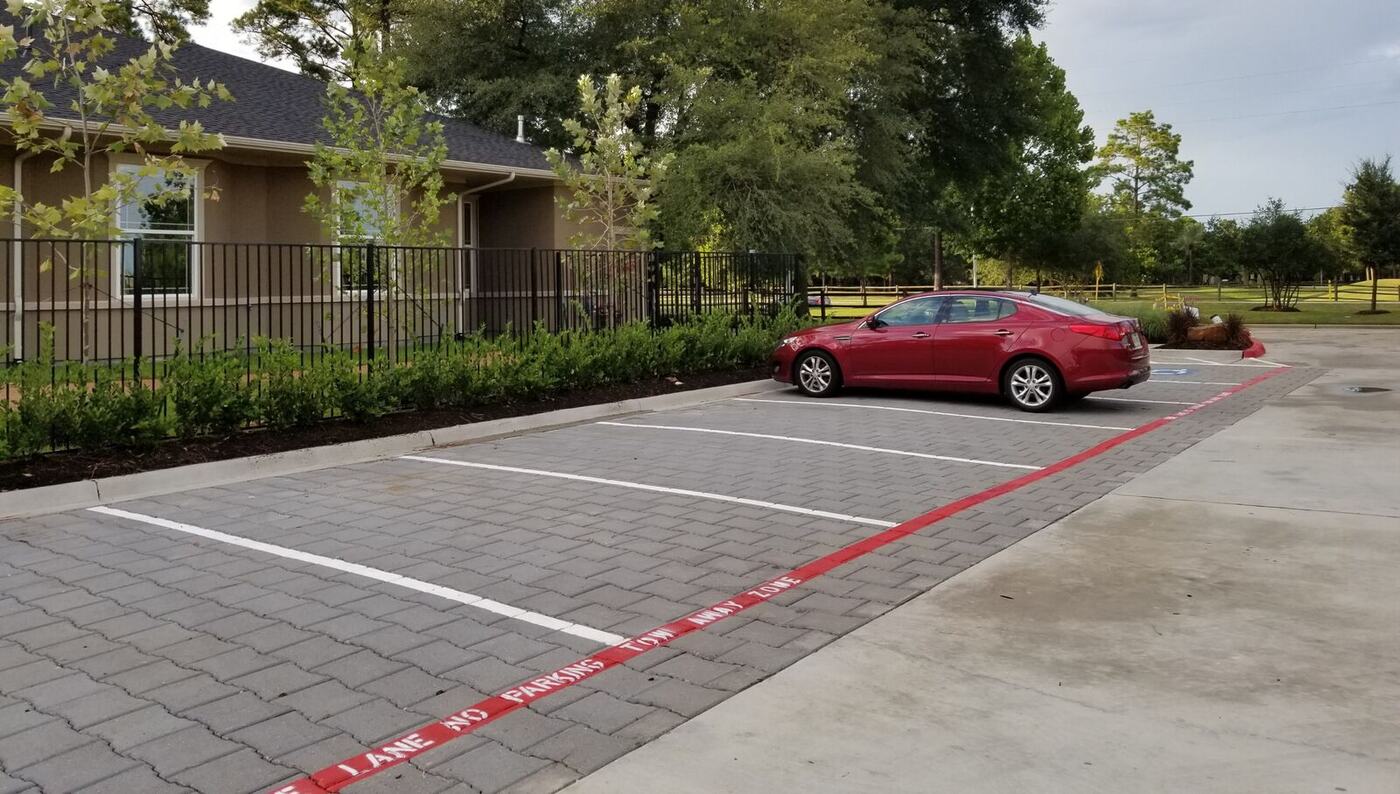
Permeable paver parking. The joints are the treatment system.
02 / Requirements
| Task | Typical frequency | Trigger or standard |
|---|---|---|
| Inspection | 1–2×/yr, after a storm | Water standing more than 1 hour after rain means test it. |
| Infiltration test (ASTM C1781) | 2× first year, then annually | After cleaning: at least 50% of design rate, or 1 in./hr minimum. |
| Vacuum cleaning | Annually, or when testing shows | Full-vacuum sweeper for medium or heavy clogging. |
| Joint aggregate | After every vacuuming | Clean ASTM No. 8, 89 or 9 stone. Never sand. |
| Settlement and rutting | Every inspection | Repair past about ½ in. |
| Edge restraint | Every inspection | Intact. No paver creep. |
| Adjacent landscape | Ongoing | No soil, mulch or leaves washing onto the pavers. |
03 / Warning signs
Needs work
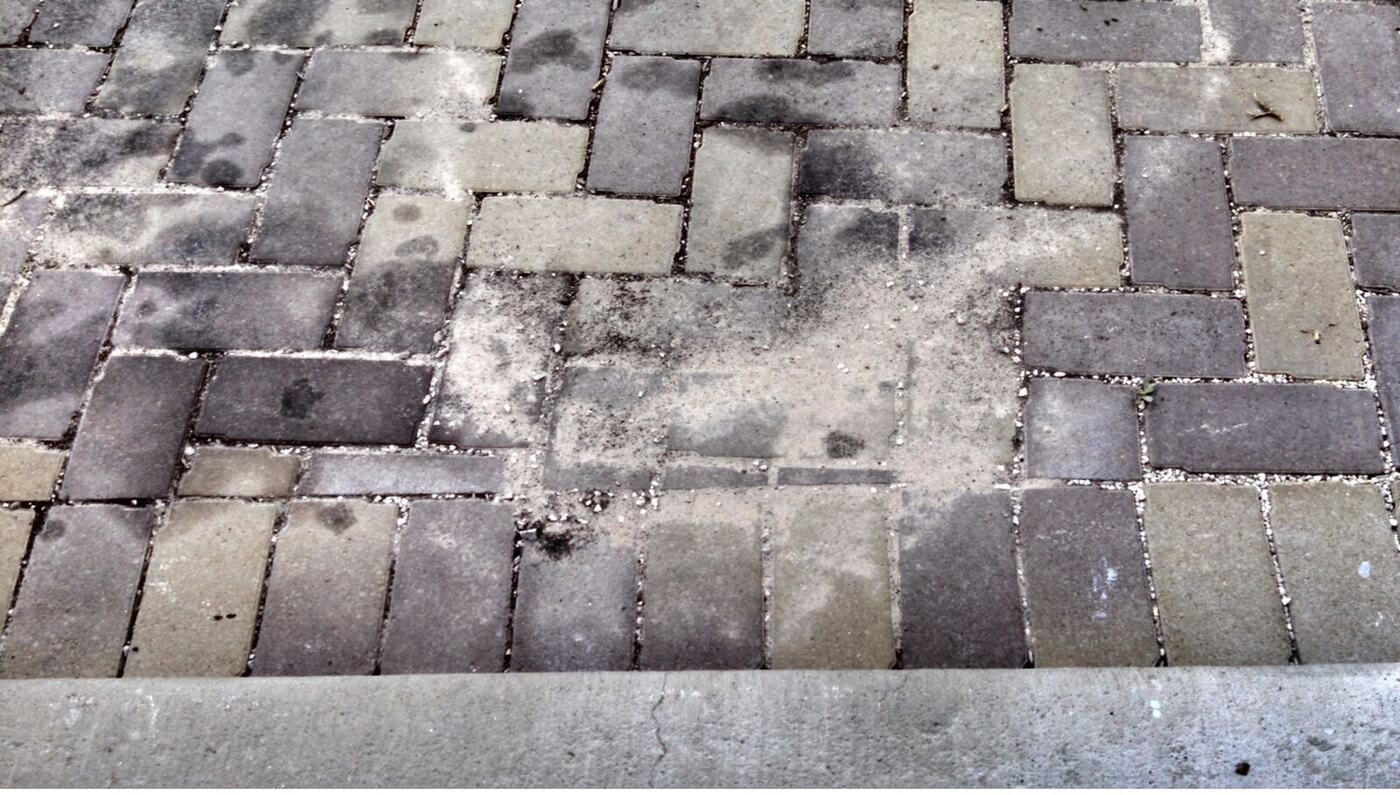
Joints filled with fines. Water no longer gets in.
Needs work
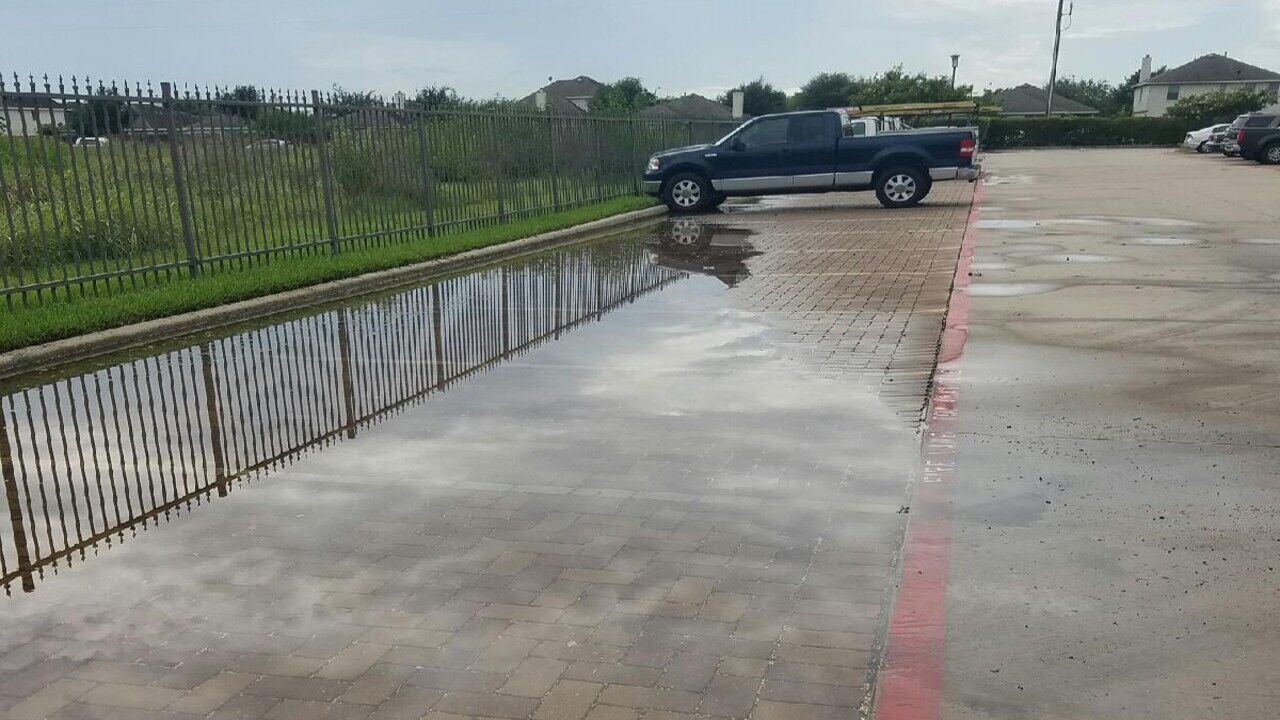
Water standing on a paver drive after rain
Needs work
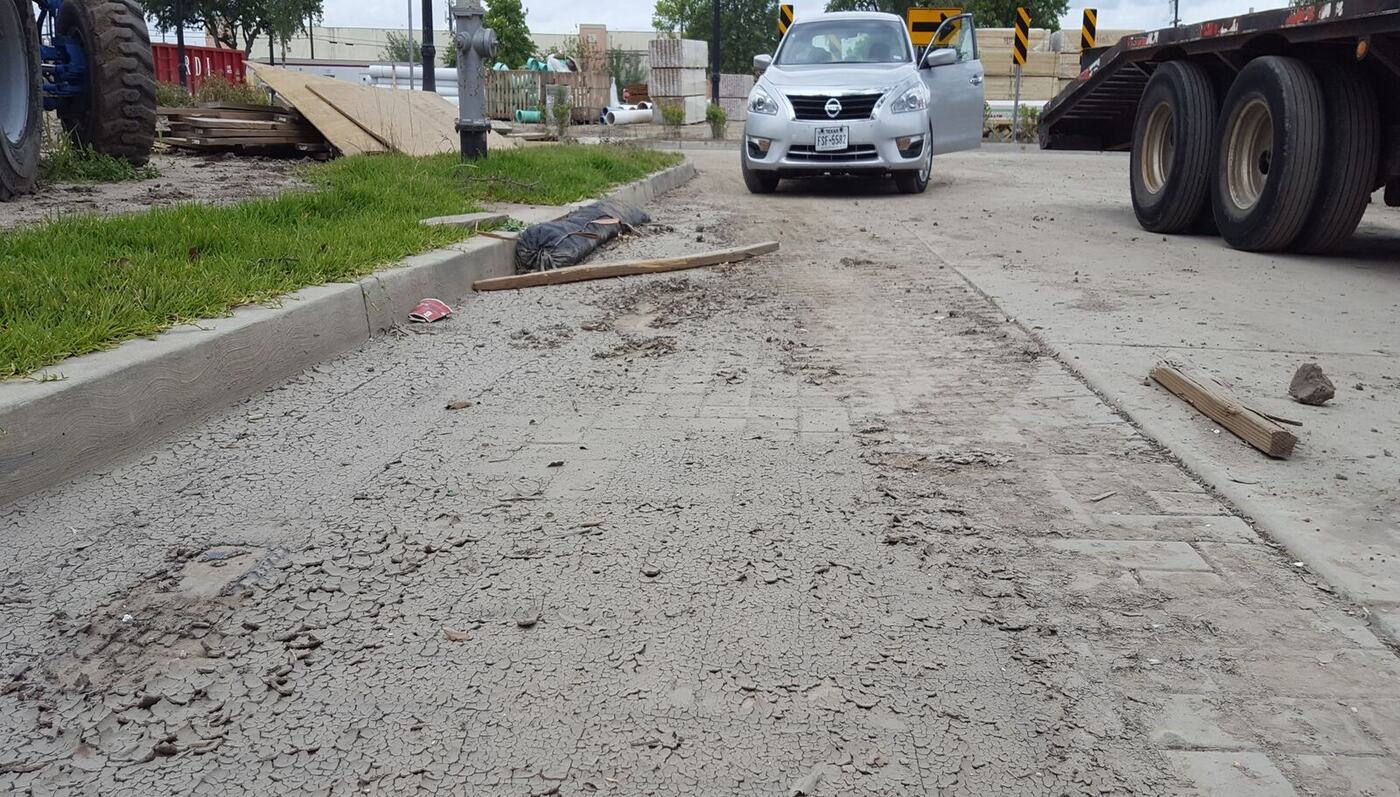
Pavers buried in construction sediment
Needs work
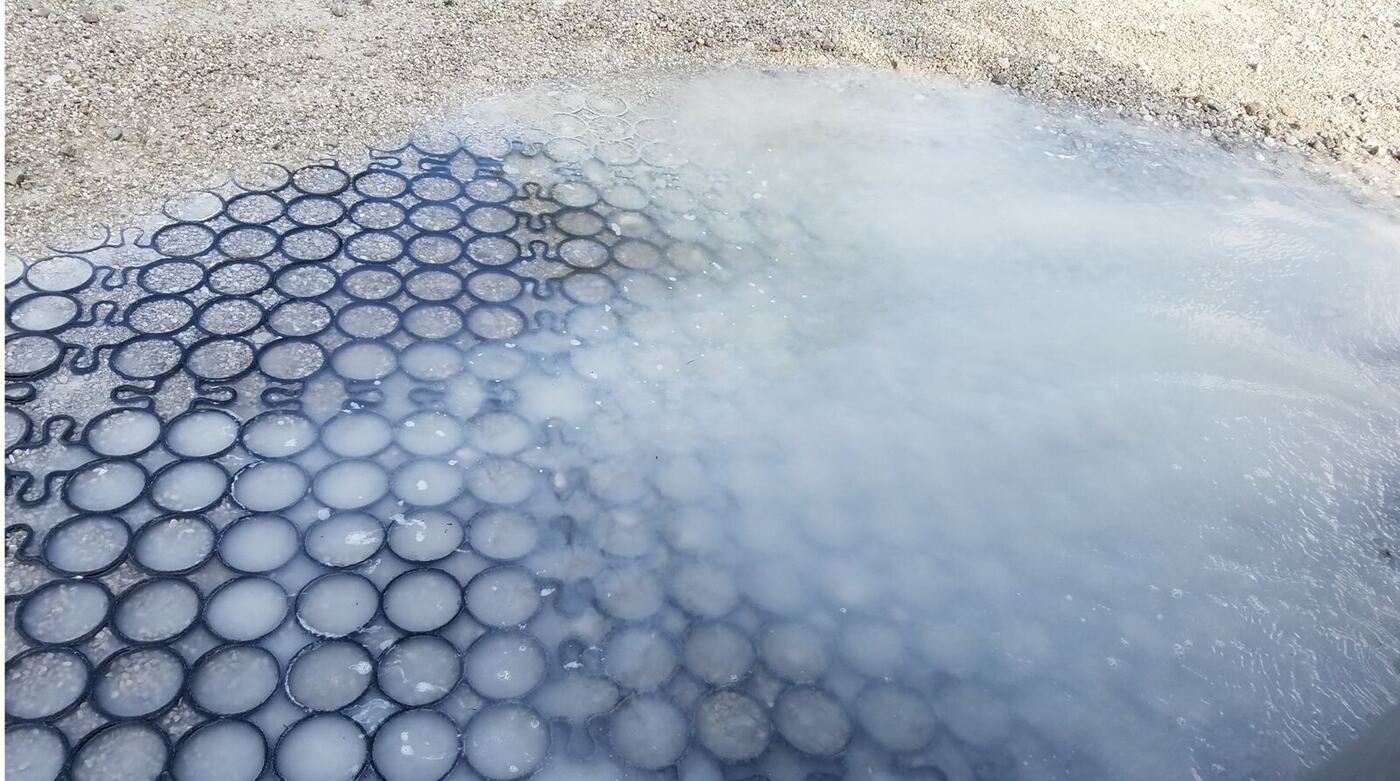
Gravel grid paving clogged and ponding
04 / Avoid
05 / Our method
Measure first. Price second. Document against the standard.
Step 01
ASTM C1781 infiltration tests at set locations, logged and photographed.
Step 02
Find the source: run-on from landscape, a drive aisle, a downspout.
Step 03
Remove clogged joint stone and fines, not just surface dust.
Step 04
Clean ASTM No. 8, 89 or 9 aggregate swept into the joints.
Step 05
Same locations, before and after rates, and the fix for the source.
06 / Services
07 / In the field
Every visit starts and ends with a measured rate. New installs get protected until the site is stabilized.
Field work
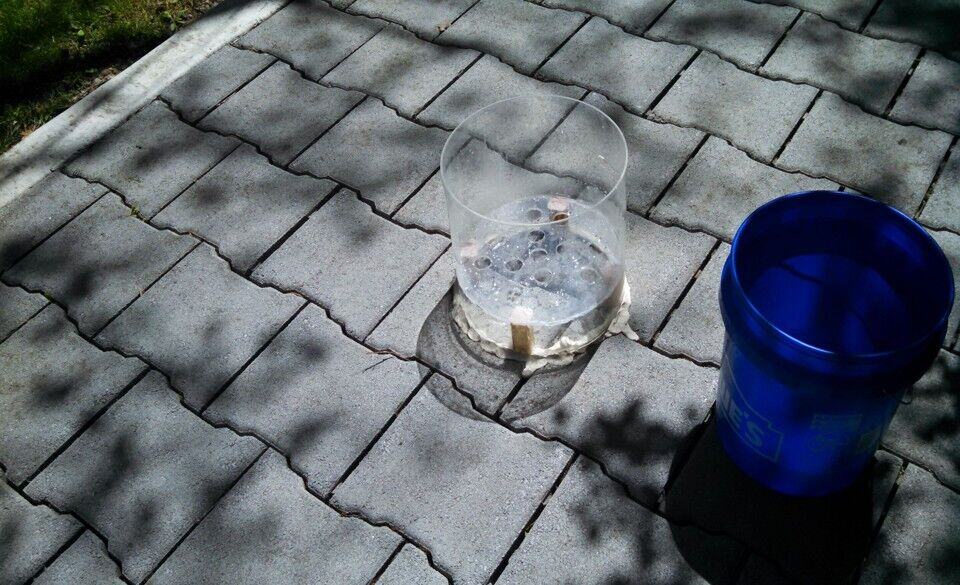
Infiltration ring test on a paver surface
Field work
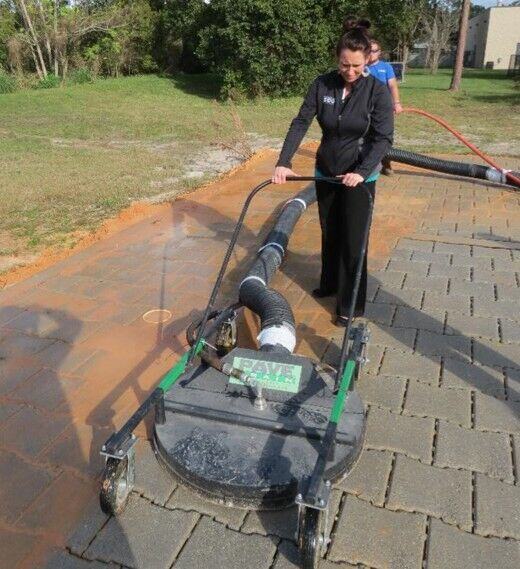
Surface cleaning on a paver area
Field work
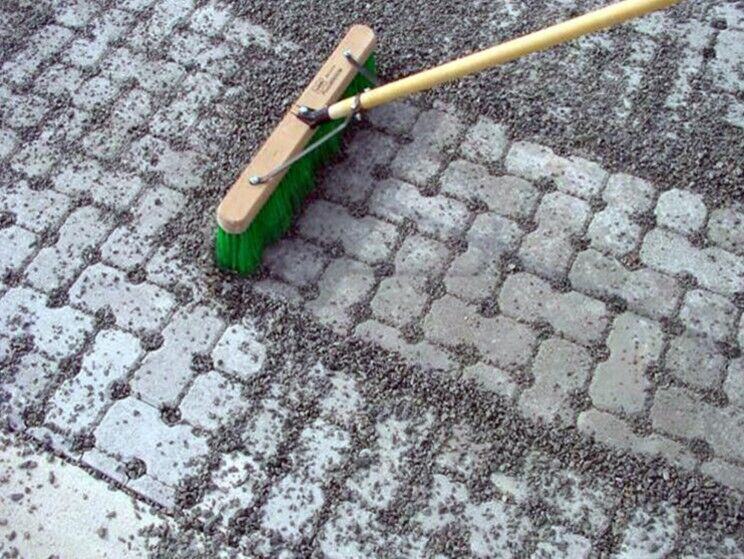
Sweeping clean joint stone back into the joints
Field work
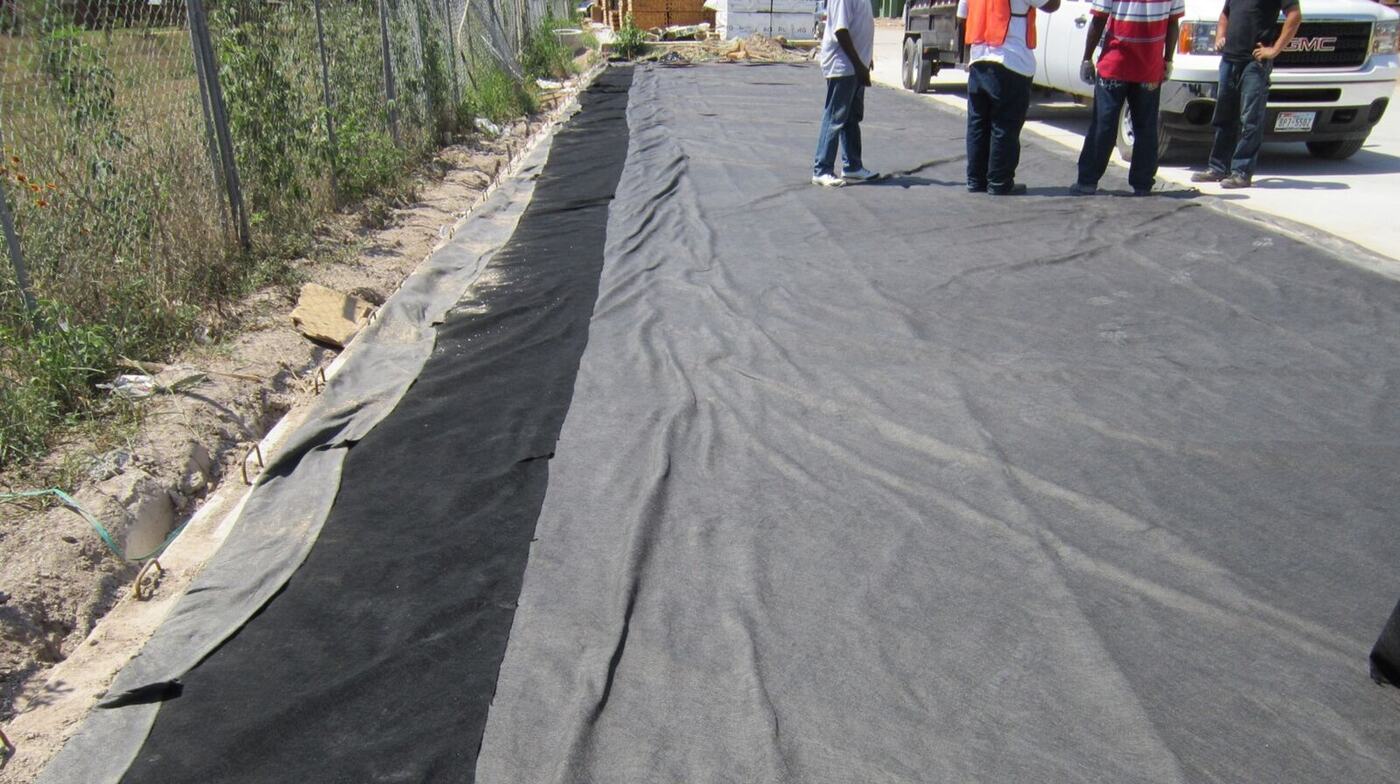
Geotextile protecting new pavers during construction
08 / Reference
Test method
ASTM, permeable unit pavers
Inspection
Ideally after a storm
Joint stone
Clean, open-graded
Post-clean target
Of design infiltration rate
Values from ICPI-based guidance. The approved plan and local manual govern.
09 / Questions
What to know about maintaining permeable pavement.
The joints are clogged. Fines from landscape run-on, construction or leaf litter seal the top of the joint stone. Vacuuming that layer out and replacing the stone usually restores the rate. Test first to know how far it has gone.
No. Pressure washing strips joint stone and pushes fines deeper. Use a vacuum, then replace the stone.
A standard parking-lot sweeper moves surface dust. It does not pull clogged material out of the joints. Permeable pavement needs vacuum equipment and joint stone replacement.
Usually once a year, sooner on sites with heavy leaf fall or soil run-on. Annual infiltration testing tells you when.
10 / Other BMPs