Installation · New construction · Retrofit

Stormwater control measure installation. Built on time. Built under budget.

At CURRENT, we are specification focused. Our team of experts have over 75 years of stormwater control measure design, construction and maintenance experience. We know these systems inside and out. We are not contractors that find themselves in the stormwater business, we are stormwater professionals that bring know-how to contractors.

OUR MARKETS
Houston Austin San Antonio Seattle Tacoma Portland Los Angeles North Orange County South Orange County San Diego Riverside County · Santa Ana Riverside County · Santa Margarita

01 / The baseline

Start with the approved design.

Stormwater control measures (SCMs), also called BMPs, control the rate, volume or quality of runoff leaving a site. They include detention basins, underground storage, manufactured treatment systems, bioretention, inlet devices, active controls and lift stations.

We review drawings, specifications, submittals and product requirements before we ever send you an estimate. Field conditions, elevations, material substitutions and connections are checked against those documents. Design changes go back to the responsible project professionals for review and approval.

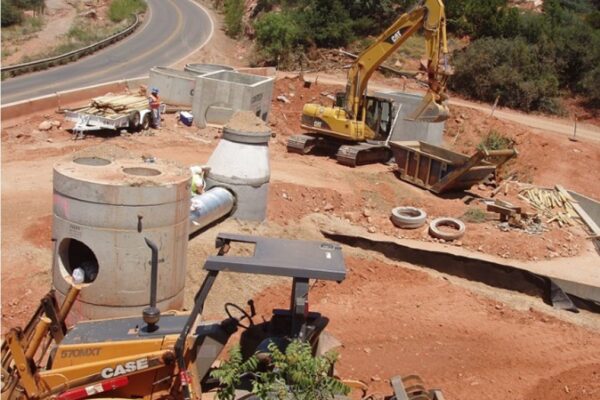
The scope includes site preparation, specified system placement, protection during construction, required inspections and completion records.

02 / Maintenance starts at installation

Access decisions last for the life of the system.

A facility can meet its construction requirements and still be expensive to maintain. We see access hatches beneath dumpster enclosures, ponds with no maintenance ramp, basins without a forebay and treatment units whose internals block access to the sump.

The crew considering those details during installation is the crew that will return to service them. We raise access, sediment capture, safe entry and equipment-selection issues while they are still practical to resolve.

Details we check before acceptance

  • Site conditions and elevations differ from approved plans
  • Specified components or materials are missing or substituted
  • Inlets, outlets, underdrains and controls need coordination
  • Construction sediment or activity could damage completed work
  • Inspection and acceptance documentation is incomplete

03 / Installation scope

What we install

gallery-installation-stormcapture-1

Underground Detention

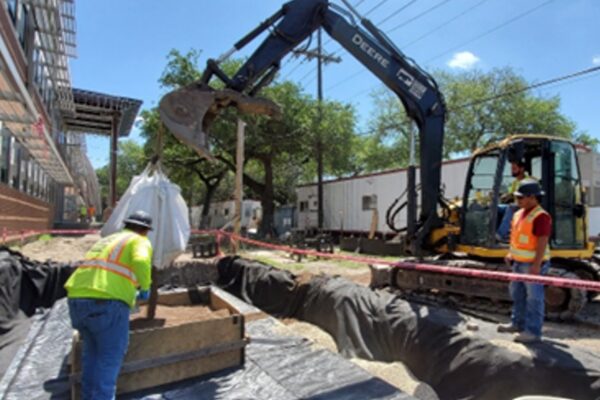
Modular crates, cast-in-place and precast vaults, arch chamber fields, oversized pipe and manifold systems. Access-point placement, isolator rows and inlet sediment capture influence safe entry and the cost of every future cleanout.

Underground Detention →

gallery-installation-hydro-1

Hydrodynamic Separators & Treatment Units

CDS, Vortechs, Downstream Defender, First Defense, Aqua-Swirl, Stormceptor and oil/water separators. We review the specified model, sump depth and internal access so treatment performance and service requirements are understood.

Hydrodynamic Separators & Treatment Units →

gallery-installation-water-quality-1

Batch Detention & Active Controls

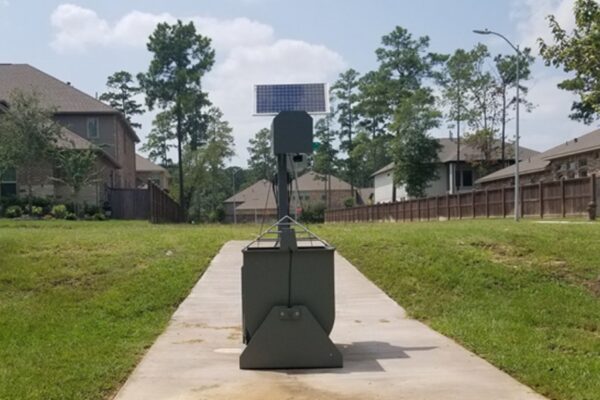
Valves, level sensors, controllers, power and telemetry for approved hold-and-release programs or pre-storm drawdown. We coordinate failure modes and service access, including retrofits where additional excavation is constrained.

Batch Detention & Active Controls →

gallery-installation-focalpoint-1

Bioretention & Media Filters

Bioretention cells, sand filters, cartridge vaults, permeable pavement and swales. Specified media, underdrains, cleanouts and planting are coordinated with construction sequencing to protect treatment performance.

Bioretention & Media Filters →

banner-lift-station-1jpg

Lift Stations & Pump Systems

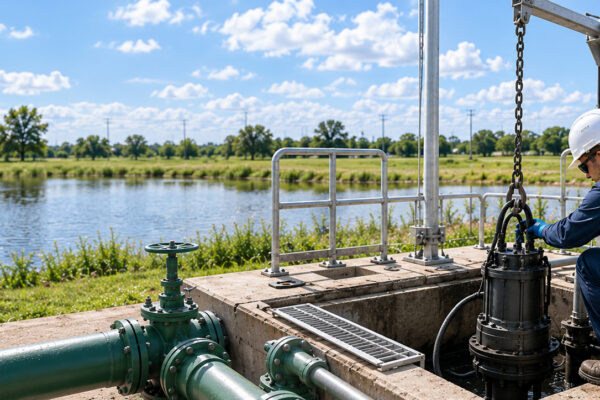
Wet wells, duty and standby pumps, guide rails, discharge piping, check and isolation valves, level sensing, control panels, alarms and backup power. Redundancy, alarm routing and wet-well access are considered together.

Lift Stations & Pump Systems →

inlet-baskets-1

Inlet Protection & Capture Devices

Baskets, filter inserts, curb-inlet devices, trash screens and hoods. We consider realistic servicing intervals and bypass behavior when loaded, rather than treating installation as the end of the job.

Inlet Protection & Capture Devices →

banner-pond-1

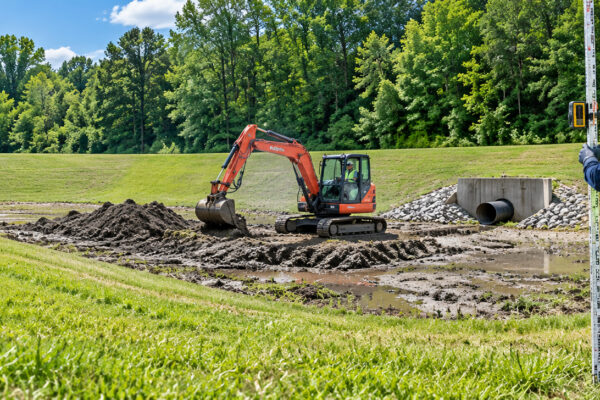
Ponds & Outlets

New basins, pond retrofits, forebay additions, slope stabilization, maintenance access, outlet structures, orifice plates, weirs, risers, trash racks and backflow devices. Forebays concentrate sediment where it can be removed efficiently.

Ponds & Outlets →

04 / Retrofit & Repair

Better performance on sites that already exist.

Existing sites bring tenants, parking, utilities and drainage infrastructure that may have been built decades ago and documented inconsistently. A maintenance finding often identifies the need: an inaccessible vault, a missing forebay, a modified outlet or a treatment unit that no longer fits the site.

We use those field observations to coordinate an authorized retrofit scope with the engineer of record. Knowing what is actually in the ground helps plan access, staging and construction around an operating property.

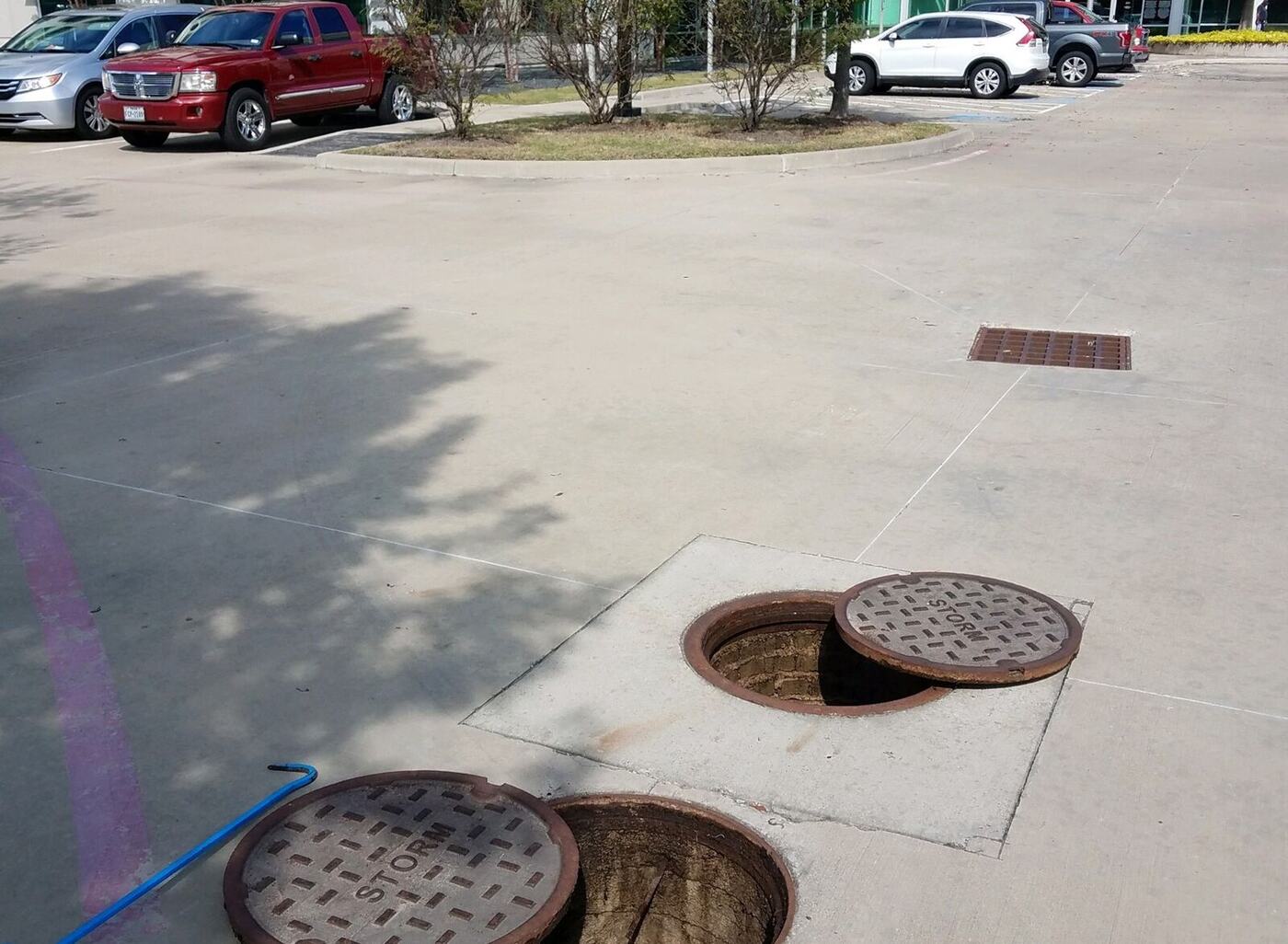
Open access manholes over an underground detention system in a parking lot

Access placement affects every future inspection and cleanout.

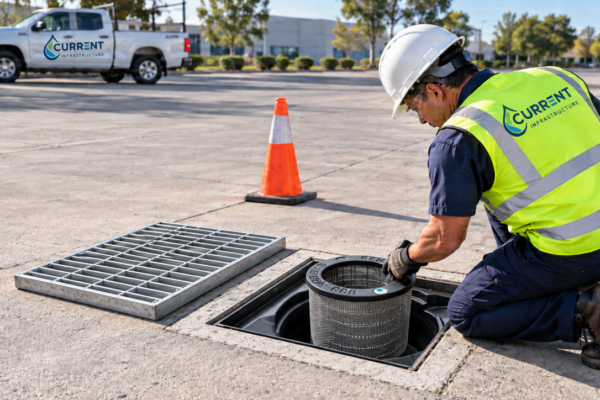
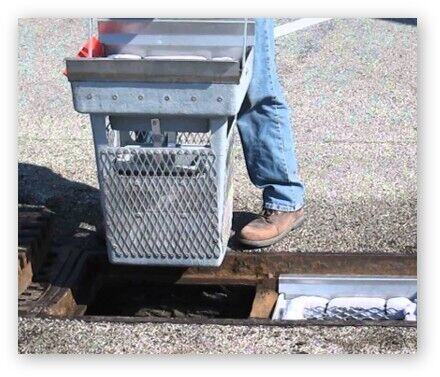
Technician removing a filter basket from a curb inlet

Capture devices need practical access and a realistic service interval.

05 / Our method

One sequence, from design review to when we walk off the site.

Step 01

Design review and constructability

Review approved plans, specifications, submittals, site conditions and manufacturer instructions. Raise access, elevation, sequencing and equipment issues before construction. For design-build support, work with the engineer of record.

Step 02

Permitting and acceptance coordination

Confirm required inspections, certifications, recorded maintenance instruments and acceptance triggers before work begins. Document field discrepancies for resolution; design changes require approval.

Step 03

Site preparation and construction

Prepare the work area and elevations, place specified structures, media and controls, and coordinate inlets, outlets and underdrains. Protect completed facilities from sediment and damage; bring treatment systems online after the contributing area is stabilized.

Step 04

Verification and commissioning

Document key construction stages and complete required inspections. Test applicable functions such as drawdown, pump cycling, alarms, valve operation and controller settings against the approved scope and product guidance.

Step 05

Certification and handover

Organize record drawings, product information, inspection notes, system O&M manuals, required certifications and recorded instruments. Establish a measured baseline for each completed facility.

Step 06

Into the maintenance program

Use the handover records to establish service access, inspection dates, applicable permit renewals, maintenance triggers and a long-term budget based on measured condition.

06 / The deliverable

A handover package that supports the next ten years.

  • Record drawings reflecting what was built
  • An O&M manual for each system, including applicable standards, trigger depths, service intervals, access notes and manufacturer documentation
  • Inspection records, product information and certifications required for acceptance, including professional-engineer certification where required
  • Recorded maintenance agreements, affidavits, covenants or easements where required
  • A day-one baseline measurement of each facility

How we measure and report →

Independent inspection, when required

Where the jurisdiction requires independent inspection, or the owner prefers it, we coordinate with the third-party reviewer. Required certifications and acceptance procedures are confirmed for the project before construction.

07 / Questions

Clear answers before construction starts.

The scope can include underground detention, ponds and outlet structures, hydrodynamic separators, other treatment units, bioretention and media filters, inlet capture devices, batch or active controls, and lift stations. The approved plans and contract documents define the installation.

Yes. Installation work often begins with a maintenance finding that a cleanout cannot resolve, such as inaccessible storage, a missing forebay or an outlet that needs reconstruction. We coordinate the retrofit with the responsible project professionals and required approvals.

Field observations are documented and referred to the responsible project professionals. Changes to approved designs, materials or equipment require the appropriate review and approval before implementation.

Verification follows project specifications, required inspections and manufacturer instructions. Commissioning includes applicable functional checks such as drawdown, pump cycling, alarms and valve operation, rather than visual sign-off alone.

Inspection and certification requirements vary by jurisdiction and project. We confirm them before work starts and coordinate independent third-party inspection wherever required or requested.

A passive detention pond releases through a fixed outlet. Batch or active control uses a valve, level sensor and controller to hold and release water according to an approved program; some systems also draw down ahead of a forecast storm. Controls, power, communications and failure modes need commissioning and ongoing service.

Building, retrofitting, or just told you have to.

Send the drawings or correspondence. We will help define the installation scope, the requirements for completion, and the work needed to keep the system functioning after handover.