Markets
Where we work, and where we are going.
Stormwater obligations are set jurisdiction by jurisdiction. We open markets where we can staff a crew and write the local rulebook properly.

Markets
Stormwater obligations are set jurisdiction by jurisdiction. We open markets where we can staff a crew and write the local rulebook properly.
Operating
2
Houston, Seattle, San Diego — staffed crews and full market guides
Opening
1
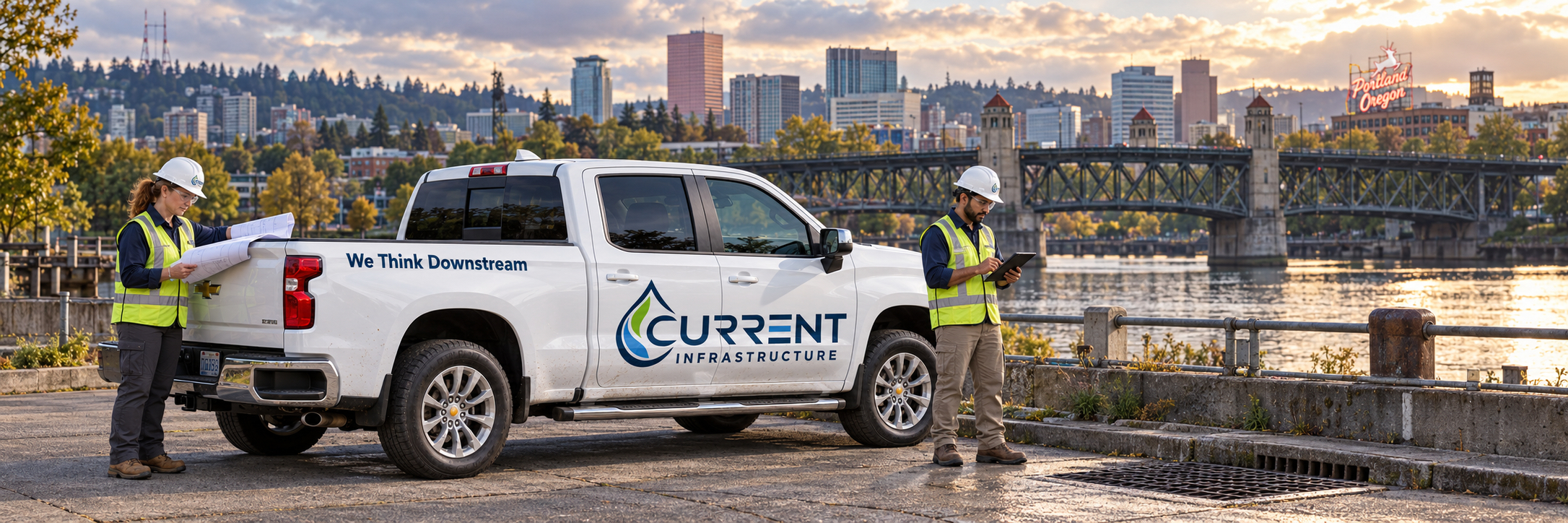
Austin, Orange County, Portland — committed, standing up now
Evaluating
4
San Antonio, Portland, Sacramento, Bay Area
Operating
City SWQ permits renewed annually, Harris County regulations, and a joint large-MS4 permit above both. Penalties to $1,000 per day.
Counties: Harris, Fort Bend, Montgomery, Brazoria, Galveston, Waller
Opening
Austin’s Watershed Protection rules and Water Quality Transition Zone requirements, plus the surrounding small MS4s under TXR040000.
Counties: Travis, Williamson, Hays, Bastrop
Evaluating
Edwards Aquifer recharge zone rules sit on top of the usual MS4 obligations, which raises the standard for water quality facilities.
Counties: Bexar, Comal, Guadalupe
Operating
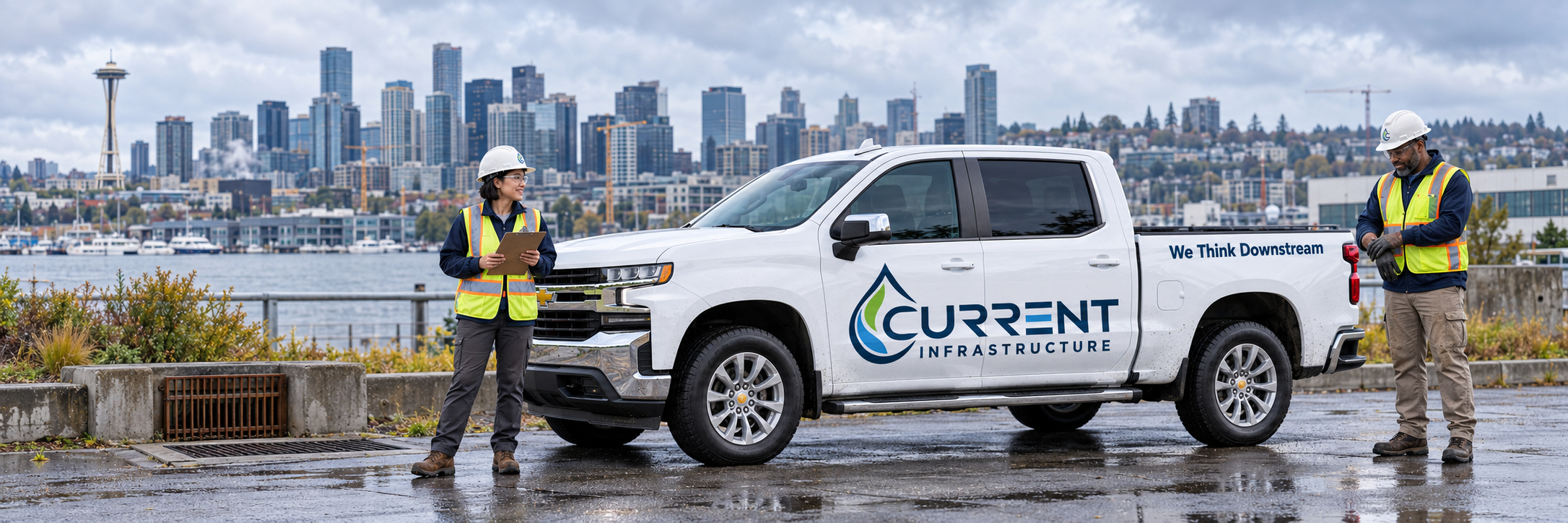
SMC 22.800 yearly maintenance, numeric triggers from the Western Washington manual, and a different program in every neighboring city.
Counties: King, Snohomish, Pierce, Kitsap
Evaluating
Regional water board MS4 permits with post-construction standards and an established private facility inspection culture.
Counties: Sacramento, Placer, Yolo
Evaluating
The Municipal Regional Permit sets some of the most demanding post-construction requirements in the country, with trash capture obligations on top.
Counties: Alameda, Santa Clara, Contra Costa, San Mateo
05 / Questions
Yes, where the scope justifies the travel — a portfolio with sites in several states, a multi-site cleanout, or diligence on a transaction. Standing programs need a local crew, which is why we open markets deliberately rather than claiming coverage we cannot staff.
Both have large installed bases of private post-construction facilities and regulators that actively inspect and enforce against them, which is what creates the work. They are also regulated through completely different machinery, so building for both forced the business to be jurisdiction-driven rather than one-market-deep.
Staffed address and crew first, then the Google Business Profile, then the market guide written from that jurisdiction’s actual permits, thresholds and enforcement. We do not publish a city page for a market we cannot service — a page that generates a call we cannot answer is worse than no page.