Maintenance & repair
Stormwater pond maintenance and repair.
Wet ponds, dry detention basins and forebays. We measure sediment against the approved design, then clean, repair and document.

01 / The baseline
Mowing and litter removal through the growing season. An inspection at least once a year and after large storms. Forebay sediment removal every one to three years. Full-basin sediment removal when sediment reaches the trigger, commonly 10% of design depth. Outlet, trash rack and slope repairs as they are found.
Reviewed October 2026.
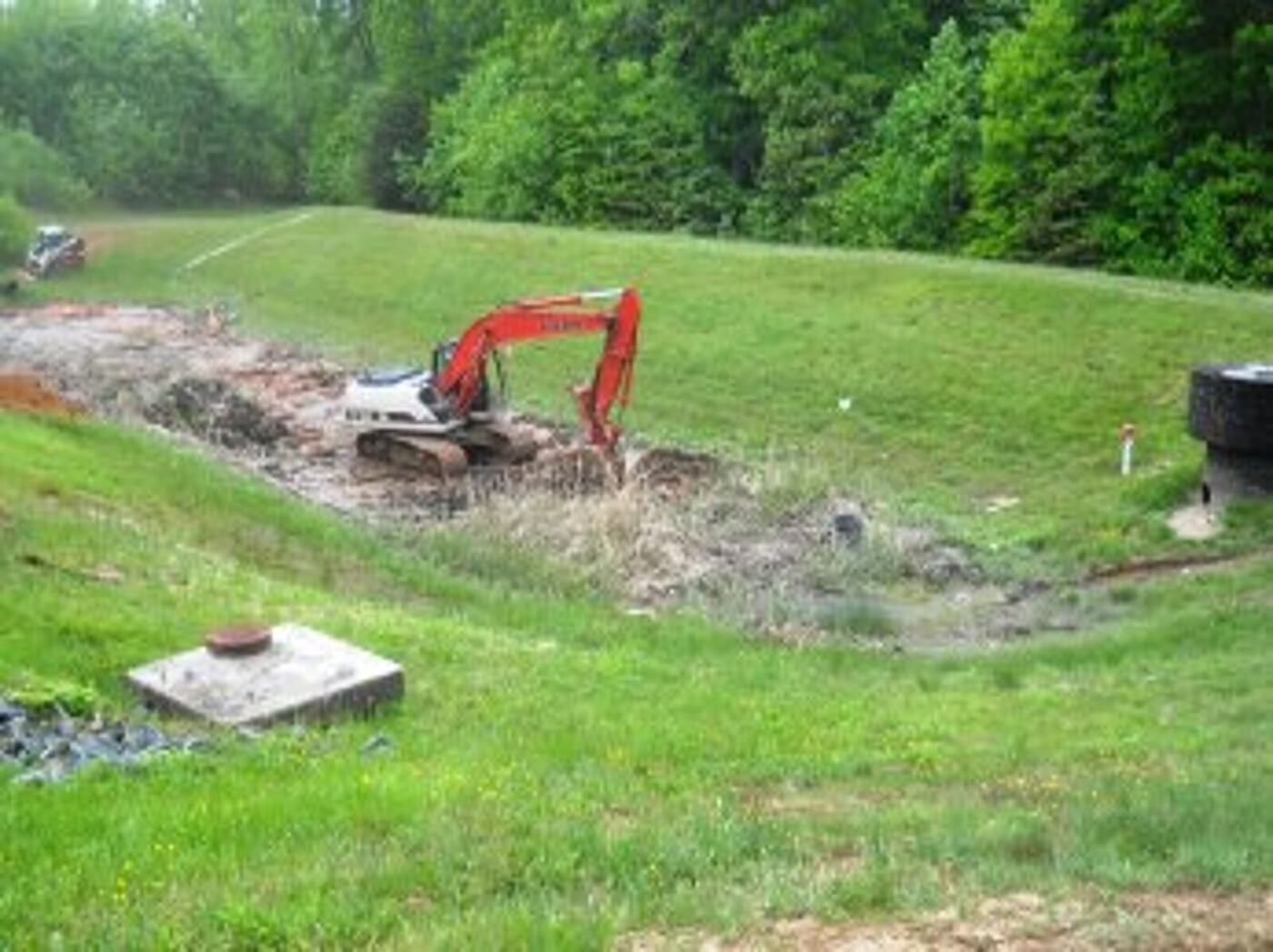
Basin rehabilitation: sediment and overgrowth removed to restore design volume.
02 / Requirements
| Task | Typical frequency | Trigger or standard |
|---|---|---|
| Mowing and vegetation control | Monthly in growing season | Height per maintenance plan. No trees or woody growth on embankments. |
| Trash and debris | Every visit | Trash rack, outlet and inlets clear. |
| Inspection | 1×/yr minimum, plus after major storms | Approved maintenance plan and local ordinance. |
| Forebay cleanout | Every 1–3 years | Measured accumulation rate. |
| Basin sediment removal | Every 7–20 years | Commonly 10% of design depth lost. |
| Outlet, orifice and weir | Every inspection | Matches the approved design. No field modifications. |
| Slopes and erosion | As found | Rills, scarps, sloughing, animal burrows. |
| Wet pond vegetation | Seasonal | Nuisance aquatic growth kept below plan limits. |
03 / Warning signs
Needs work
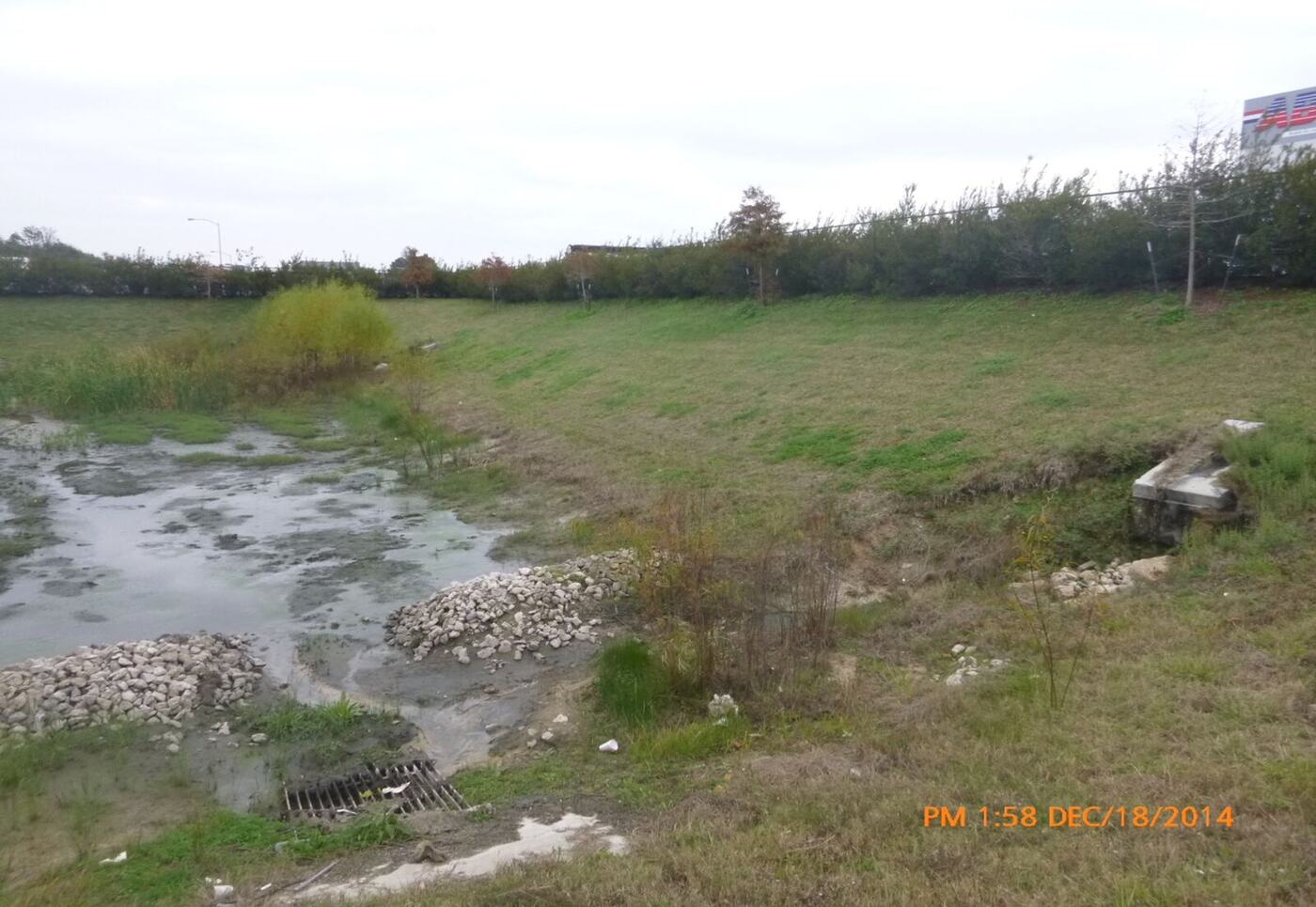
Sediment, debris and standing water around a dry basin outlet
Needs work
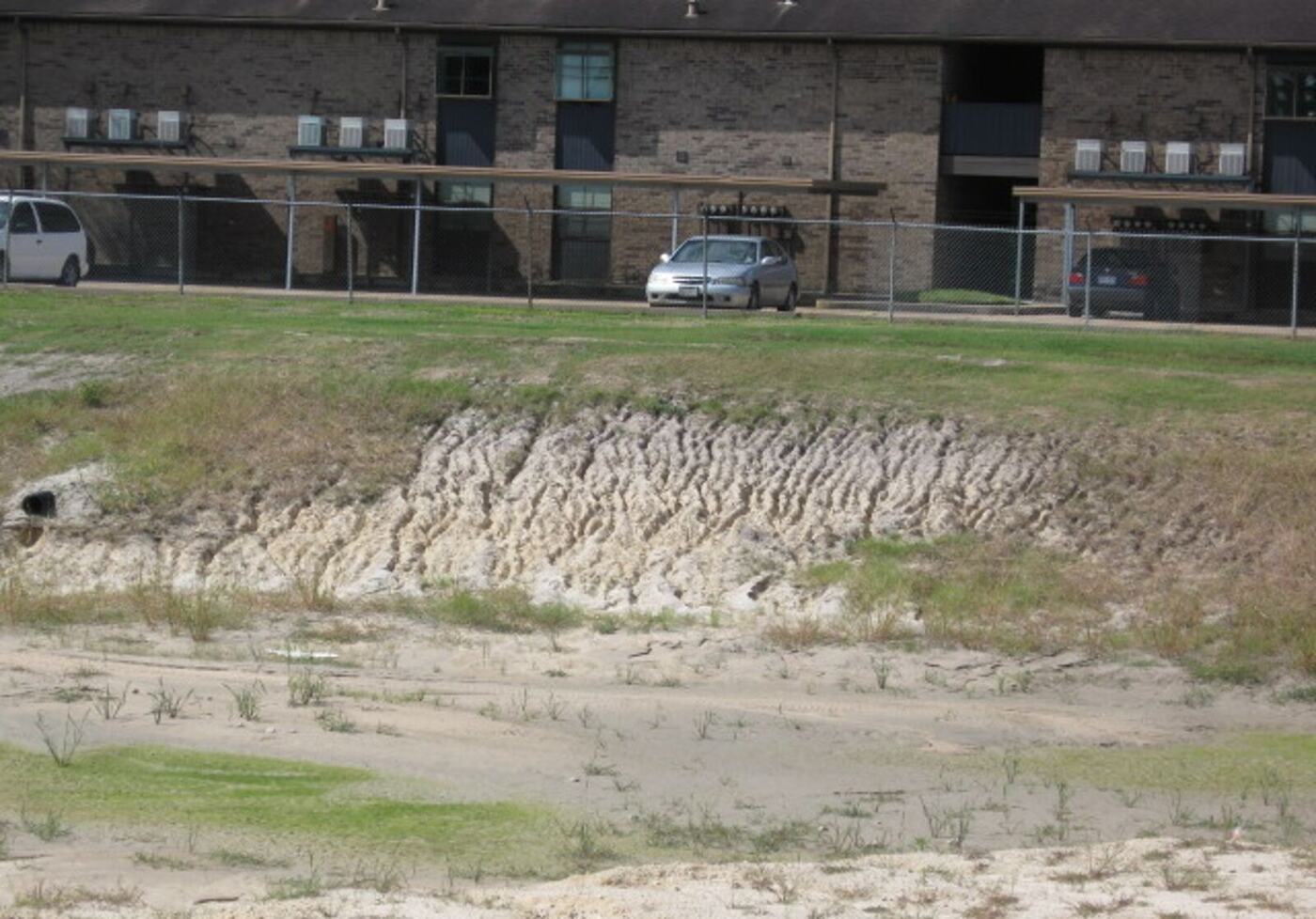
Side slope eroded to a vertical scarp
Needs work
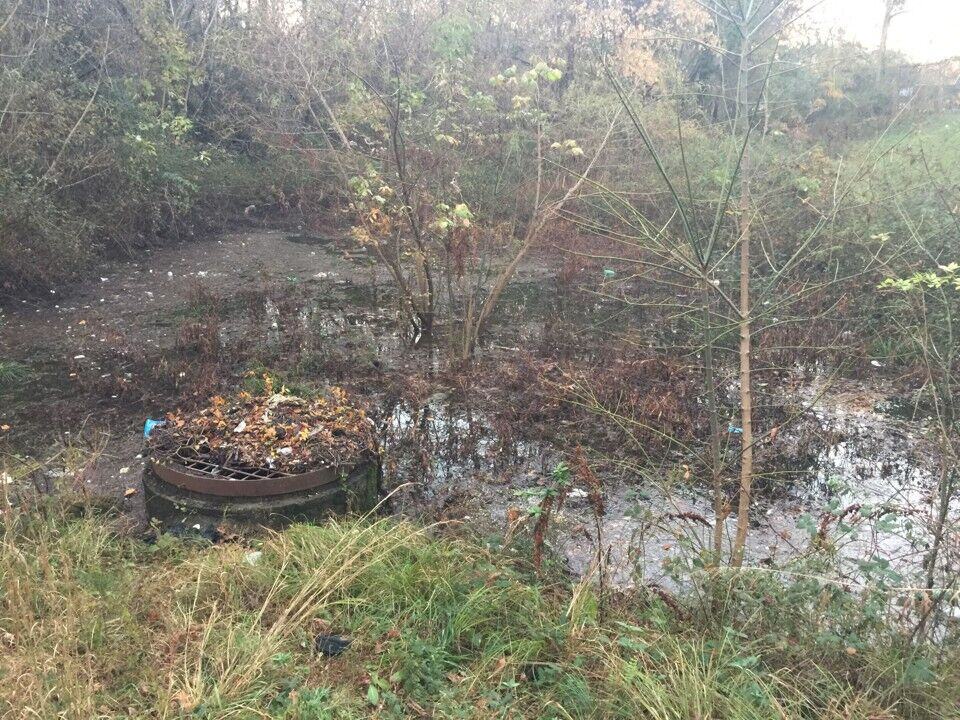
Outlet choked with trees, trash and debris
Needs work
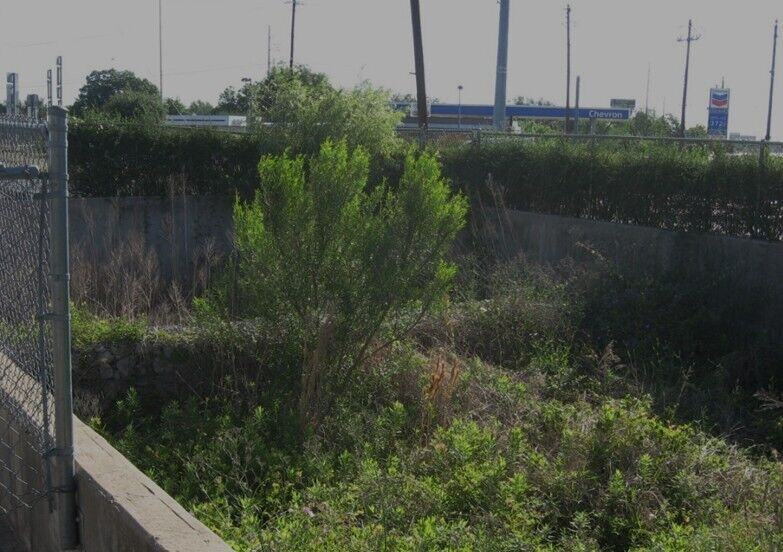
Woody growth taking over a fenced basin
04 / How it works
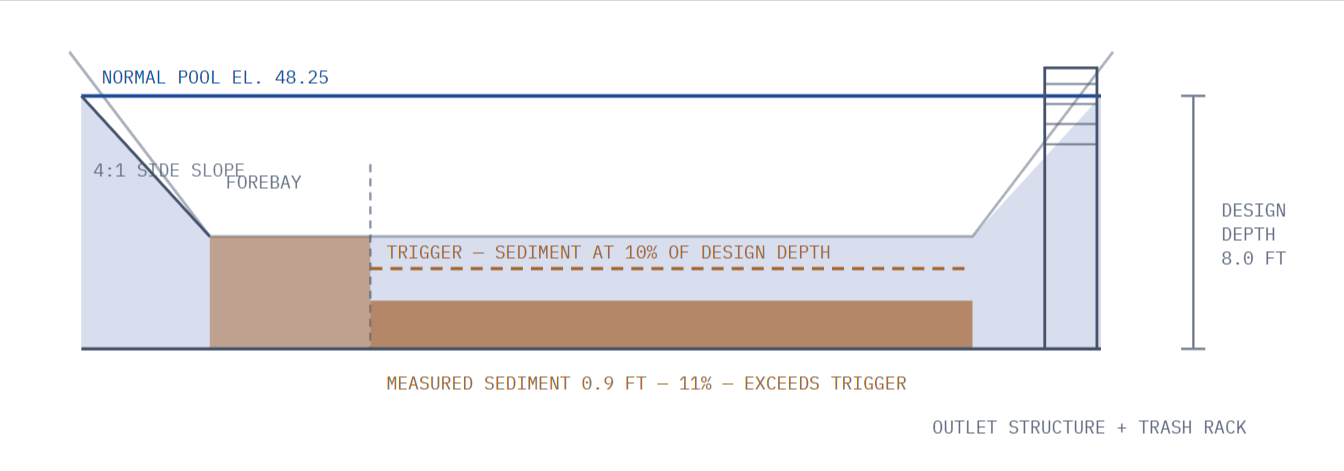
05 / Our method
Measure first. Price second. Document against the standard.
Step 01
Drawings, design depth, outlet details and the maintenance agreement. If none exist, we survey the bottom.
Step 02
Sediment depth on a grid, outlet condition, slope condition. Photos from fixed points.
Step 03
Percent of design volume lost, against the trigger, with a price to correct it.
Step 04
Mowing, cleanout or dredging sequenced so the basin keeps draining.
Step 05
After-photos from the same points, haul tickets, updated accumulation rate.
06 / Services
07 / In the field
Maintained
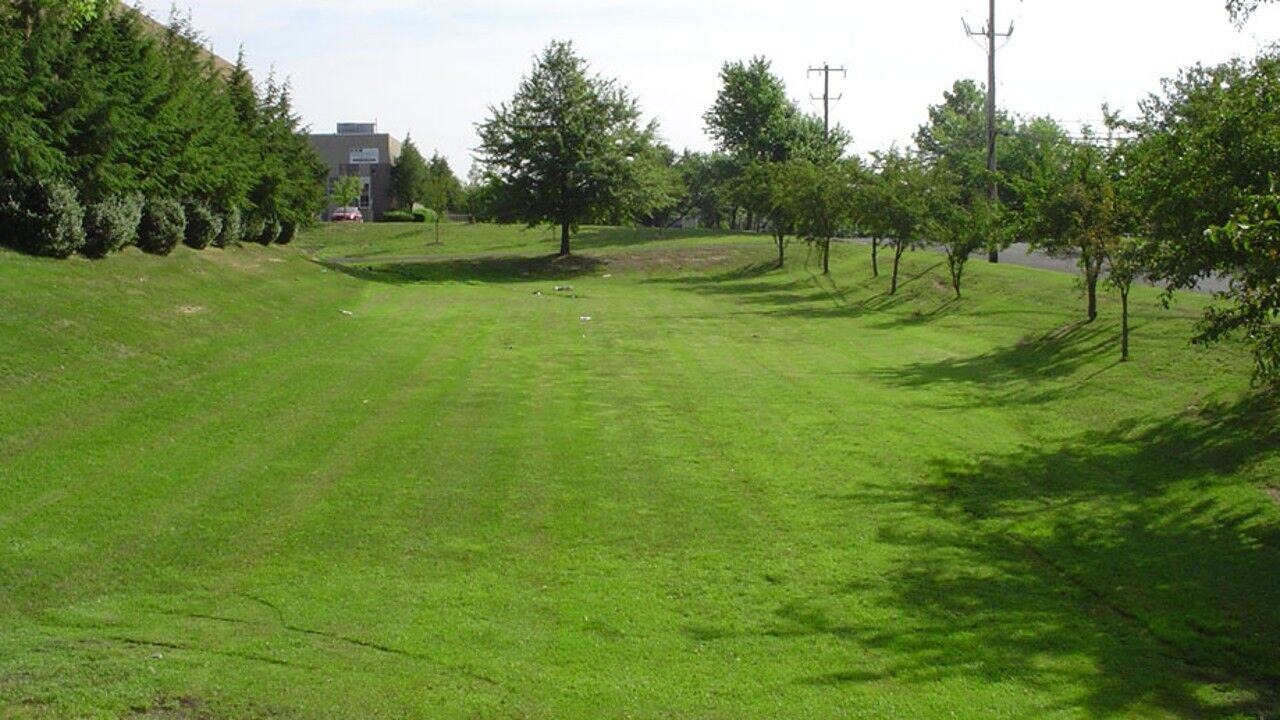
Mowed dry basin with stable, vegetated slopes
Maintained
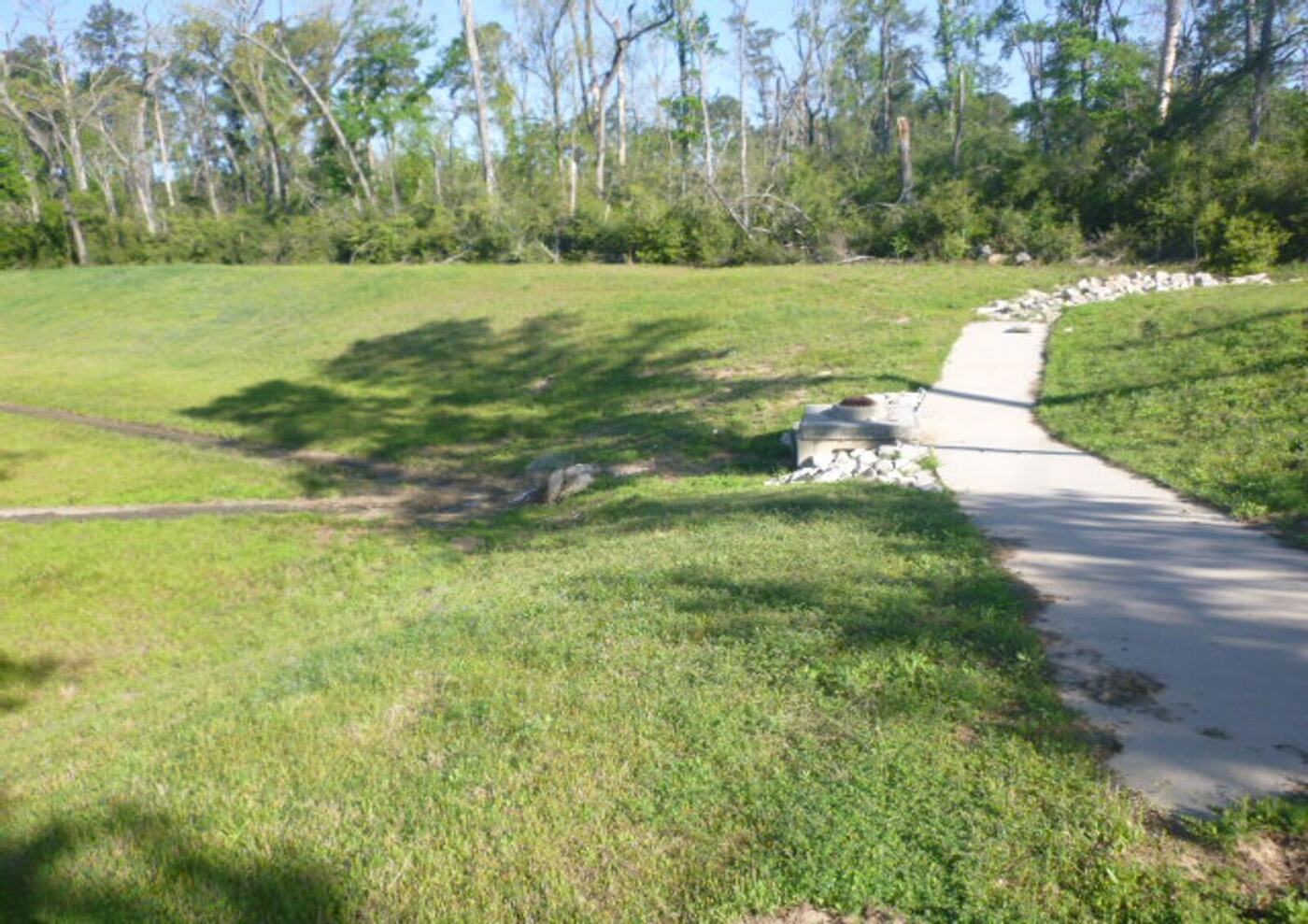
Maintained basin with clear pilot channel and access walk
08 / Reference
Cleanout trigger
Sediment as a share of design depth
Inspection
Minimum, plus after major storms
Forebay cycle
Set by measured accumulation
Full dredge
Pushed out by forebay upkeep
09 / Questions
What to know about maintaining your stormwater pond.
It depends on the measured accumulation rate. A maintained forebay is usually cleaned every one to three years and pushes full-basin dredging past a decade. An unmaintained basin on an active drainage area can hit its trigger in five to seven years. Two surveys a few years apart give the real answer.
Cost follows volume of material, access, dewatering and disposal. Not pond size on paper. We price from measured yardage, not a visual estimate.
Yes. Dry basins collect sediment in the pilot channel, lose outlet capacity, hold water when underdrains fail and get regraded by mowing crews. The permitted volume still has to be there.
They can mow it. They usually cannot measure it, and changes made without the approved design in hand are a common source of violations.
10 / Other BMPs