Maintenance & repair
Hydrodynamic separator and grease trap cleaning and repair.
Stormwater separators are cleaned on a measured depth. Grease traps are pumped on a fixed schedule. We run both, with the paperwork each one needs.

Maintenance & repair
Stormwater separators are cleaned on a measured depth. Grease traps are pumped on a fixed schedule. We run both, with the paperwork each one needs.
CDS · Vortechs · Downstream Defender · First Defense · Aqua-Swirl · Stormceptor · Baffle boxes · Oil/water separators · Grease interceptors
01 / The baseline
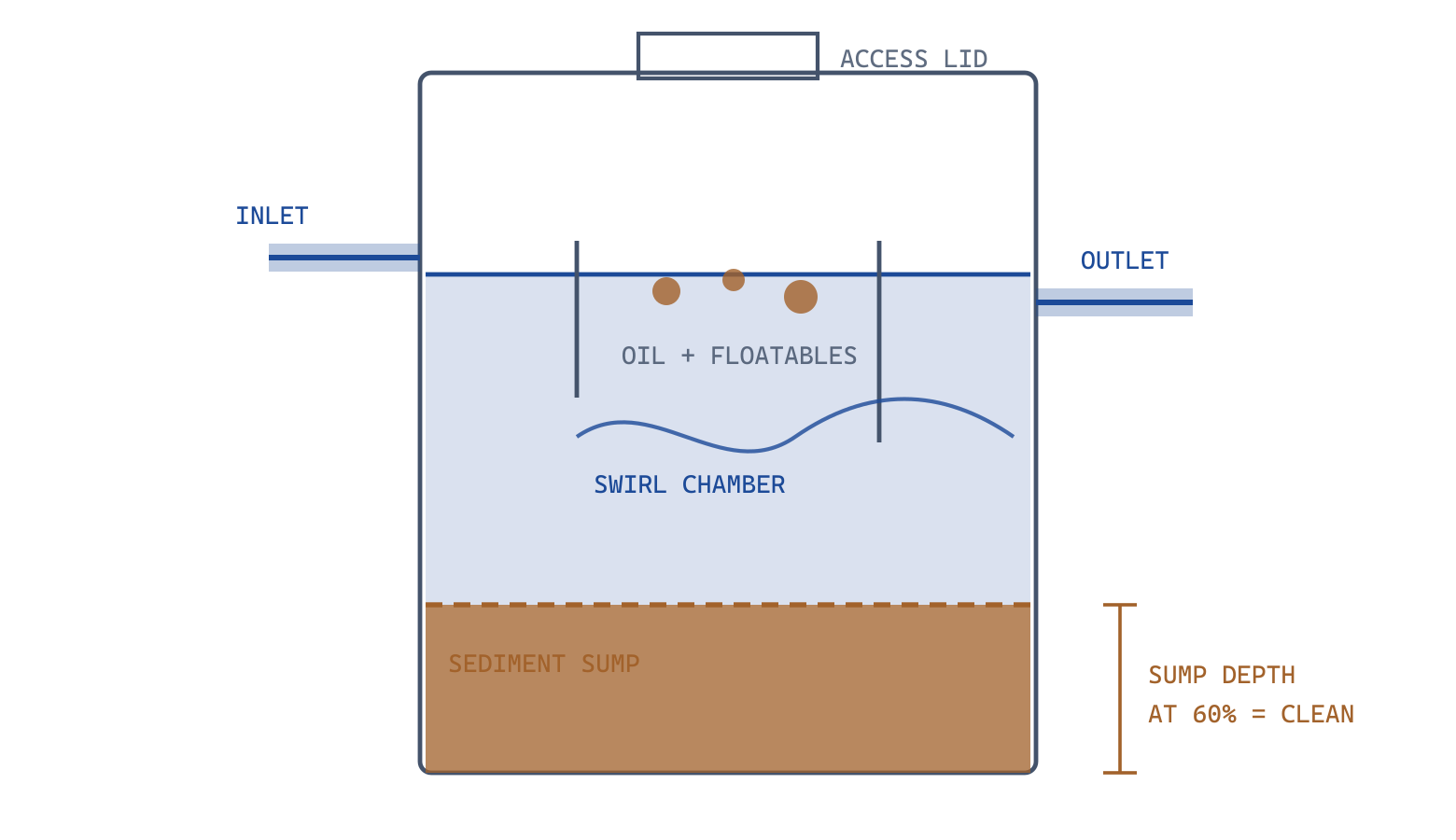
Inspect a hydrodynamic separator at least once a year, twice on fueling, fleet and high-traffic sites. Clean it when sediment reaches the manufacturer’s threshold, commonly about 60% of sump depth, or when oil or floatables pass their limit. Grease traps run on a calendar instead. In the City of Houston every grease interceptor must be fully pumped at least every 90 days unless a waiver is approved (Code of Ordinances Sec. 47-512(b)).
Source: City of Houston Health Department, Special Waste Generators. Manufacturer O&M manuals for unit-specific thresholds.
Reviewed October 2026.
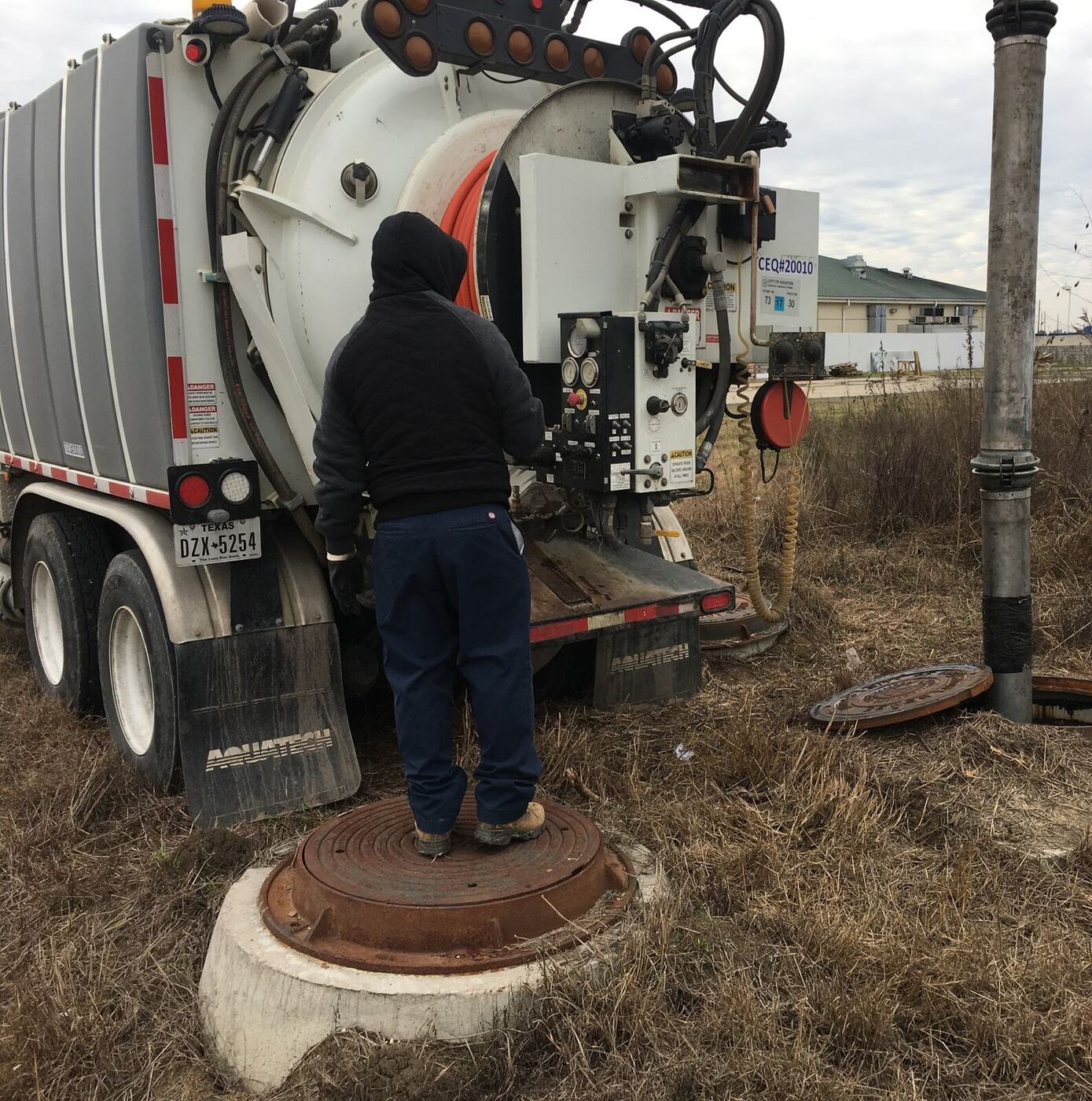
Vacuum cleanout set up over a water quality unit.
02 / Requirements
| Task | Typical frequency | Trigger or standard |
|---|---|---|
| Separator inspection | 1–2×/yr | Measured sediment and oil depth, internals checked. |
| Separator sediment cleanout | When triggered | Commonly ~60% of sump depth. Confirm in the unit’s manual. |
| Oil and floatables | When triggered | Per manufacturer; often about 1 in. of oil. |
| Screens, baffles, weirs | Every cleanout | Intact, seated, not bypassing. |
| Grease interceptor pump-out | Every 90 days (Houston) | Full evacuation. Longer interval only with an approved waiver. |
| Grease manifest | Every pump-out | Houston: generator copy returned within 15 days. Keep on site 5 years. |
03 / Warning signs
Needs work
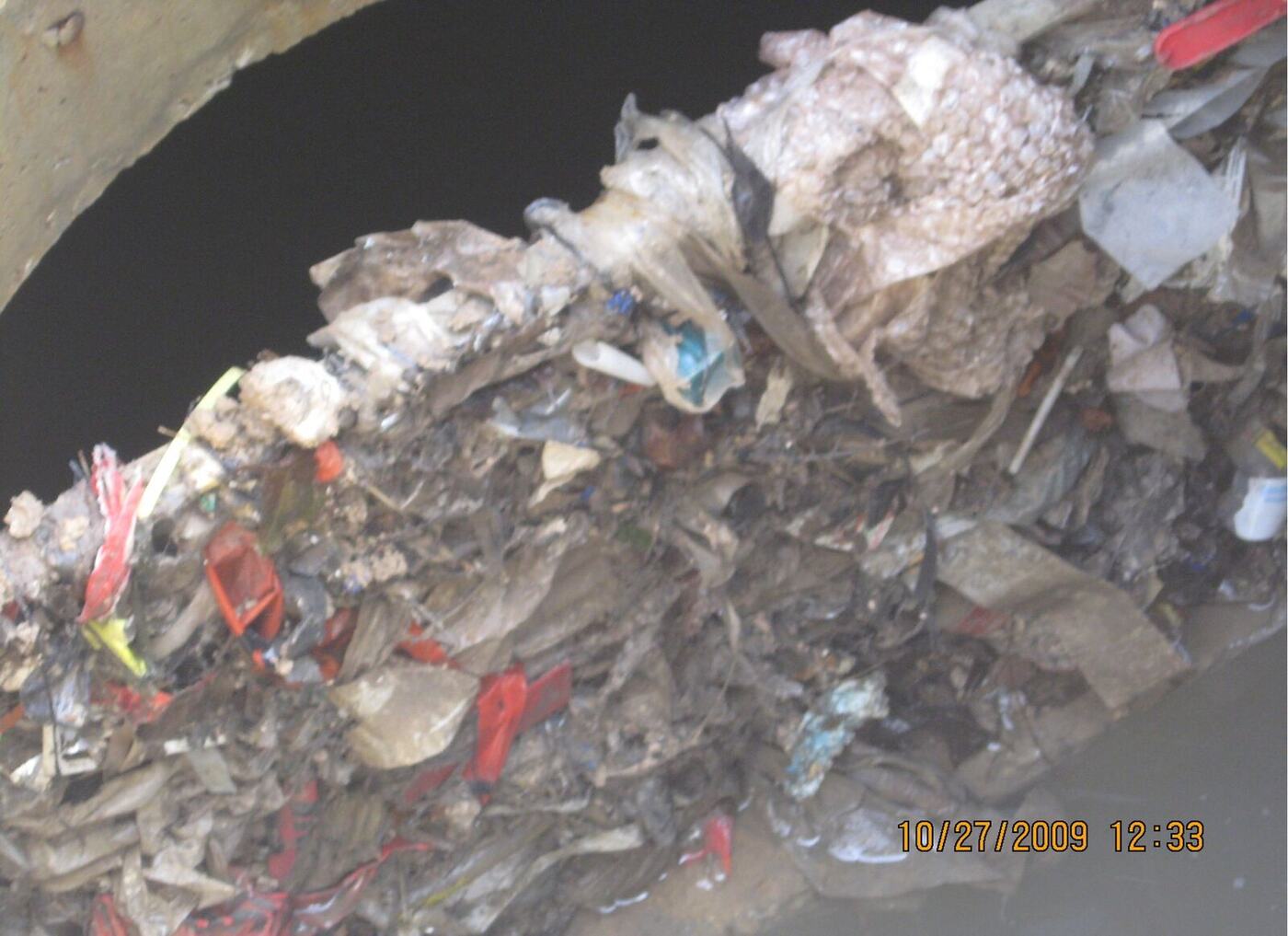
Trash mat filling a separator chamber
Needs work
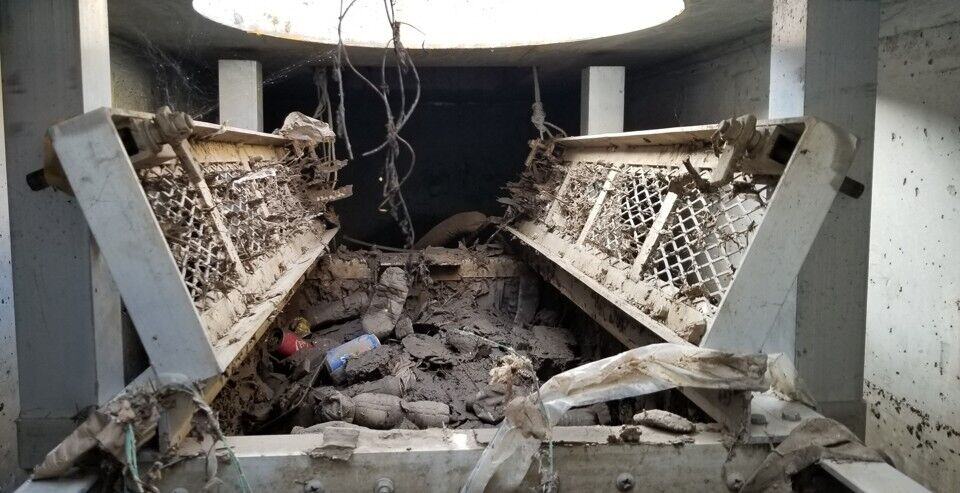
Baffle box with screens and chamber full of debris
Needs work
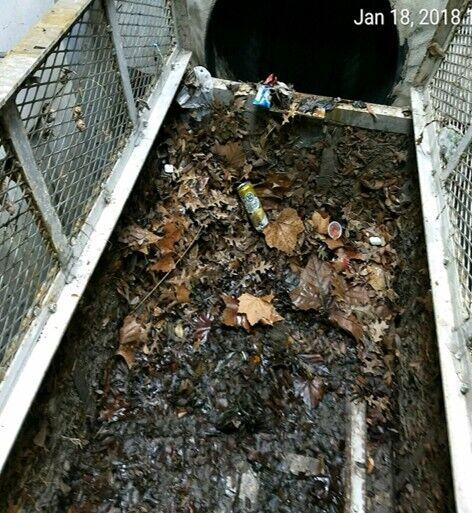
Screened chamber packed with leaves and litter
Needs work
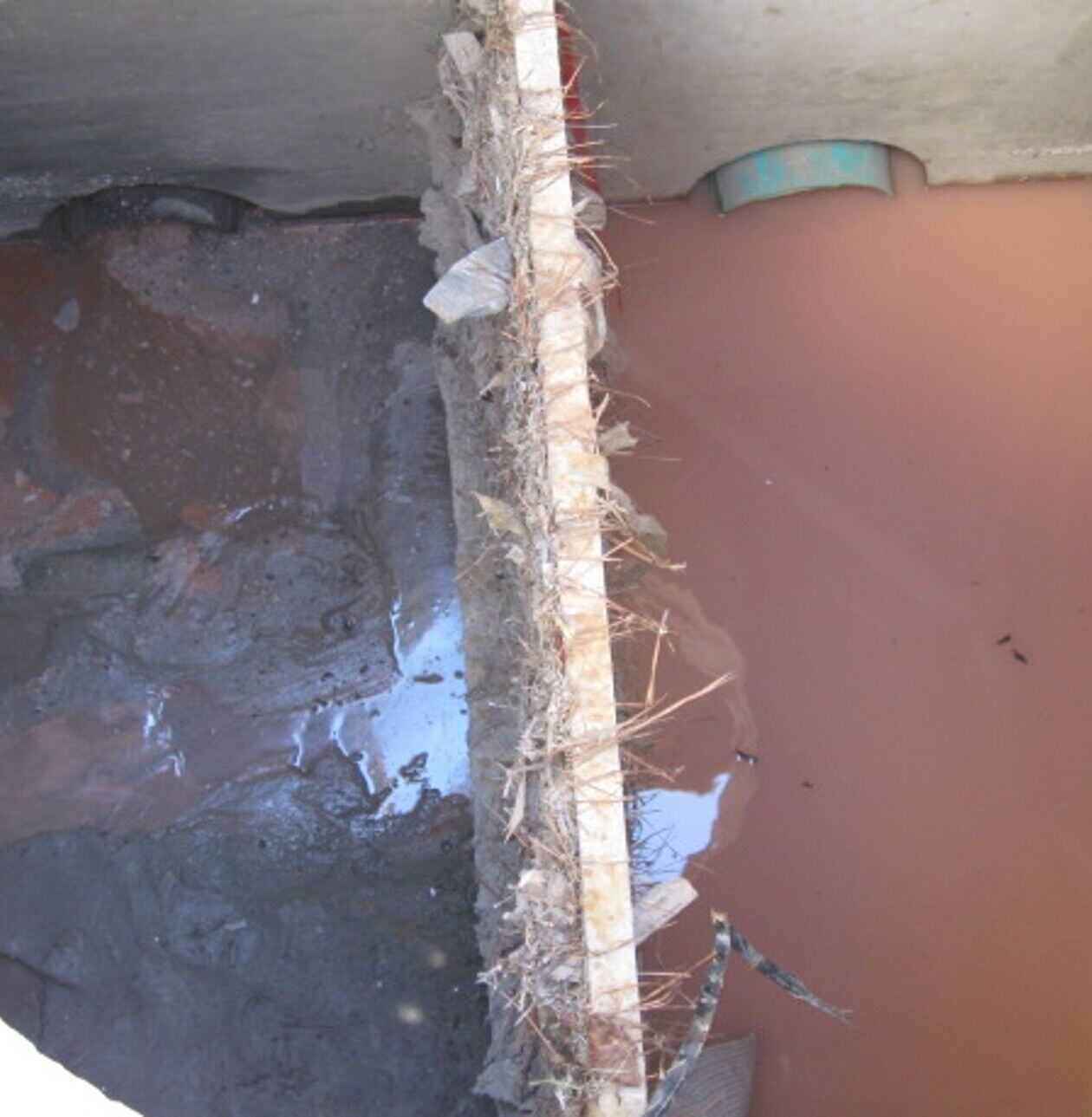
Rags wrapped on a baffle above a full sump
04 / Know this
Grease traps sit on the sanitary side, not the storm side. Same truck, same discipline, different rules.
We keep the schedule, pump, verify empty, inspect baffles and tees, and file the manifest copy for you.
05 / Our method
Measure first. Price second. Document against the standard.
Step 01
Make, model, size and as-built sump depth. This sets the threshold and the method.
Step 02
Sediment and oil depth recorded undisturbed, with photos of the reading.
Step 03
Below the threshold, we report it and leave it. That record has value too.
Step 04
Floatables, oil and sediment removed without breaking screens, baffles or cylinders.
Step 05
Internals inspected, after-photos, volume removed, manifested disposal.
06 / Services
07 / In the field
Many units sit in garages, courtyards and tight drive aisles. We plan hose runs, traffic control and timing so the site keeps running.
Field work
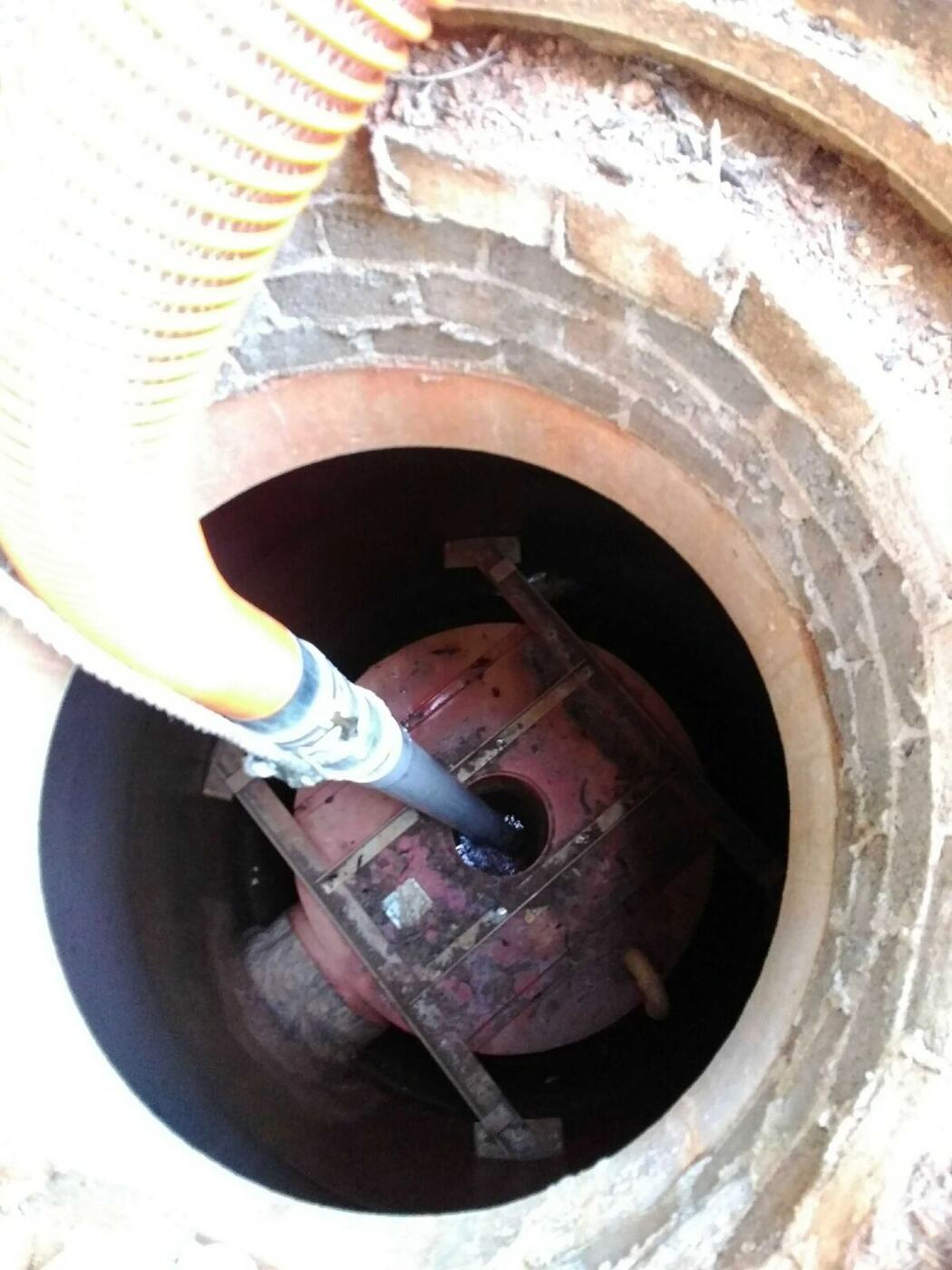
Vacuum hose working inside a separator
Field work
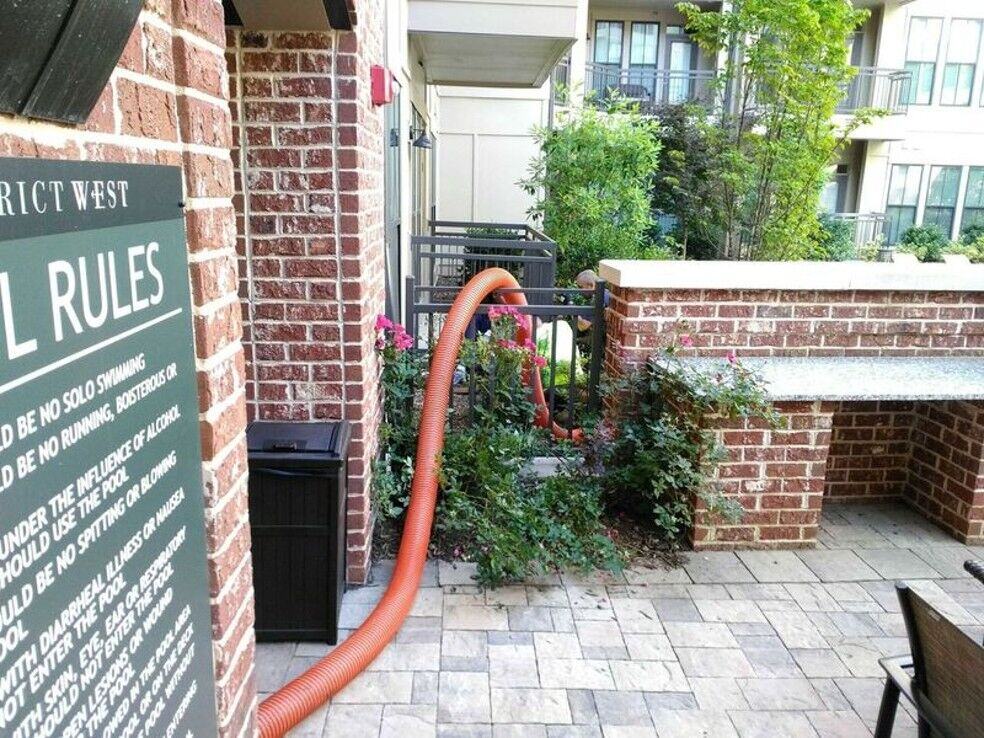
Long hose run through a courtyard where a truck cannot reach
Field work
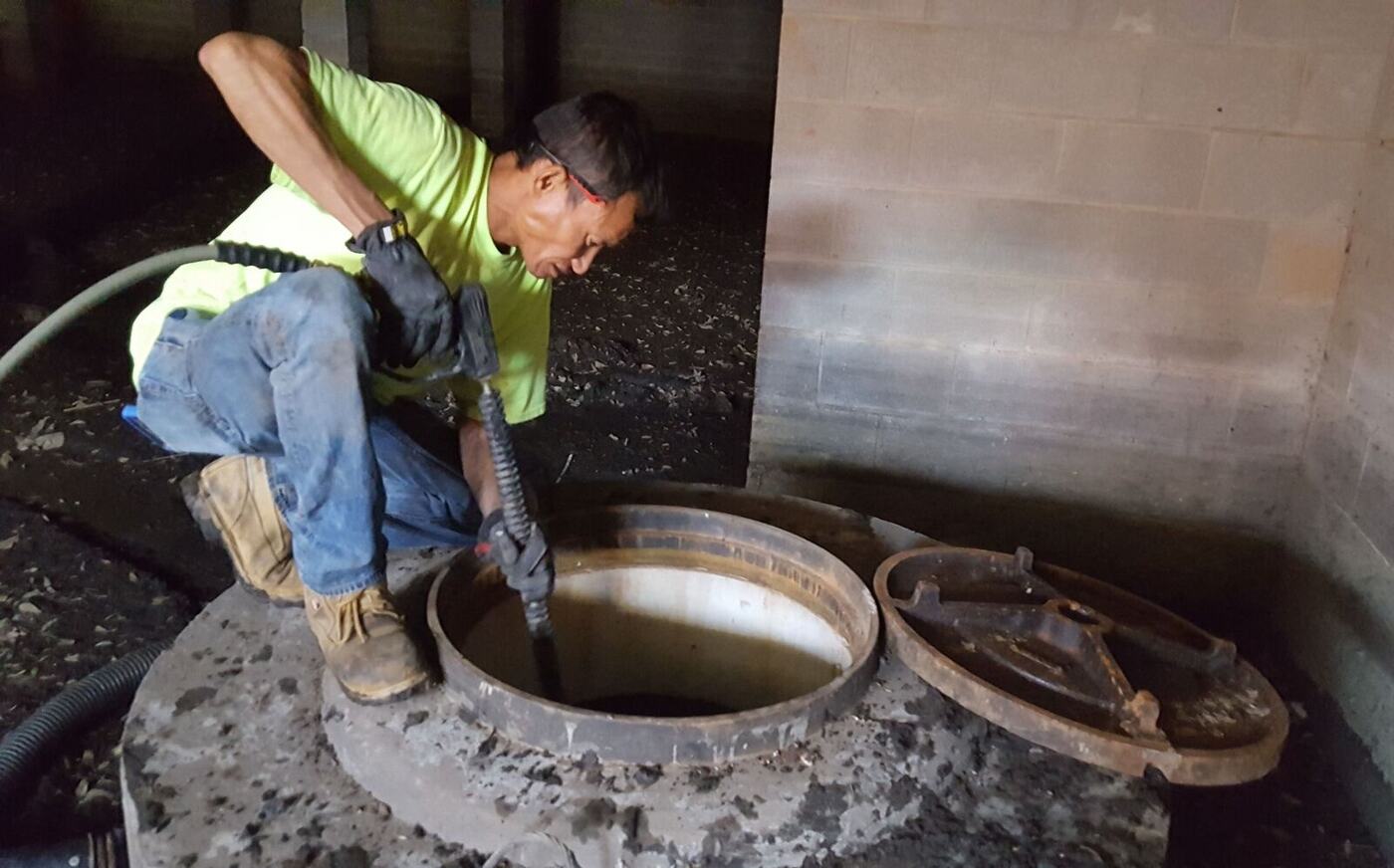
Unit serviced inside a parking garage
08 / Reference
Sediment trigger
Of sump depth; check the unit’s manual
Separator inspection
More on fueling and fleet sites
Grease pump-out
City of Houston, unless waived
Records
Houston grease manifests kept on site
Typical values. The manufacturer’s manual, the approved plan and the local ordinance govern. Houston grease requirements per the City of Houston Health Department.
09 / Questions
What to know about separator and grease trap maintenance.
Inspect at least once a year and clean when measured sediment reaches the unit’s threshold, commonly about 60% of sump depth. Cleaning on a calendar without measuring leads to both wasted pump-outs and missed exceedances.
A hydrodynamic separator uses swirl and baffles to settle sediment and trap floatables in stormwater. An oil/water separator removes hydrocarbons, usually with coalescing plates. A grease trap or interceptor catches fats, oils and grease from kitchen wastewater before the sanitary sewer.
At least every 90 days, fully evacuated, unless the city approves a waiver. Keep the manifests on site for five years.
Yes. Screens, baffles and internal cylinders break, and repairs are slow and costly. Use a crew that identifies the model before opening it.
10 / Other BMPs