Maintenance & repair
Bioretention and sand filter maintenance and repair.
Rain gardens, stormwater planters and surface or underground sand filters. We check how water enters, filters and drains, then restore the part of the system that needs work.

Maintenance & repair
Rain gardens, stormwater planters and surface or underground sand filters. We check how water enters, filters and drains, then restore the part of the system that needs work.
Bioretention · Rain gardens · Stormwater planters · Sand filters · Pretreatment · Underdrains · Drawdown testing
01 / The baseline
Bioretention uses vegetation and engineered media to treat runoff. Sand filters pass water through a specified sand bed, often after a sedimentation chamber or other pretreatment stage. Both depend on open flow paths and a filter surface that can accept water.
Standing water alone does not identify the failure. Sediment may have sealed the surface, the filter media may be clogged, or an underdrain or outlet may be blocked. We compare observed performance with the approved plans and maintenance requirements before defining the repair.
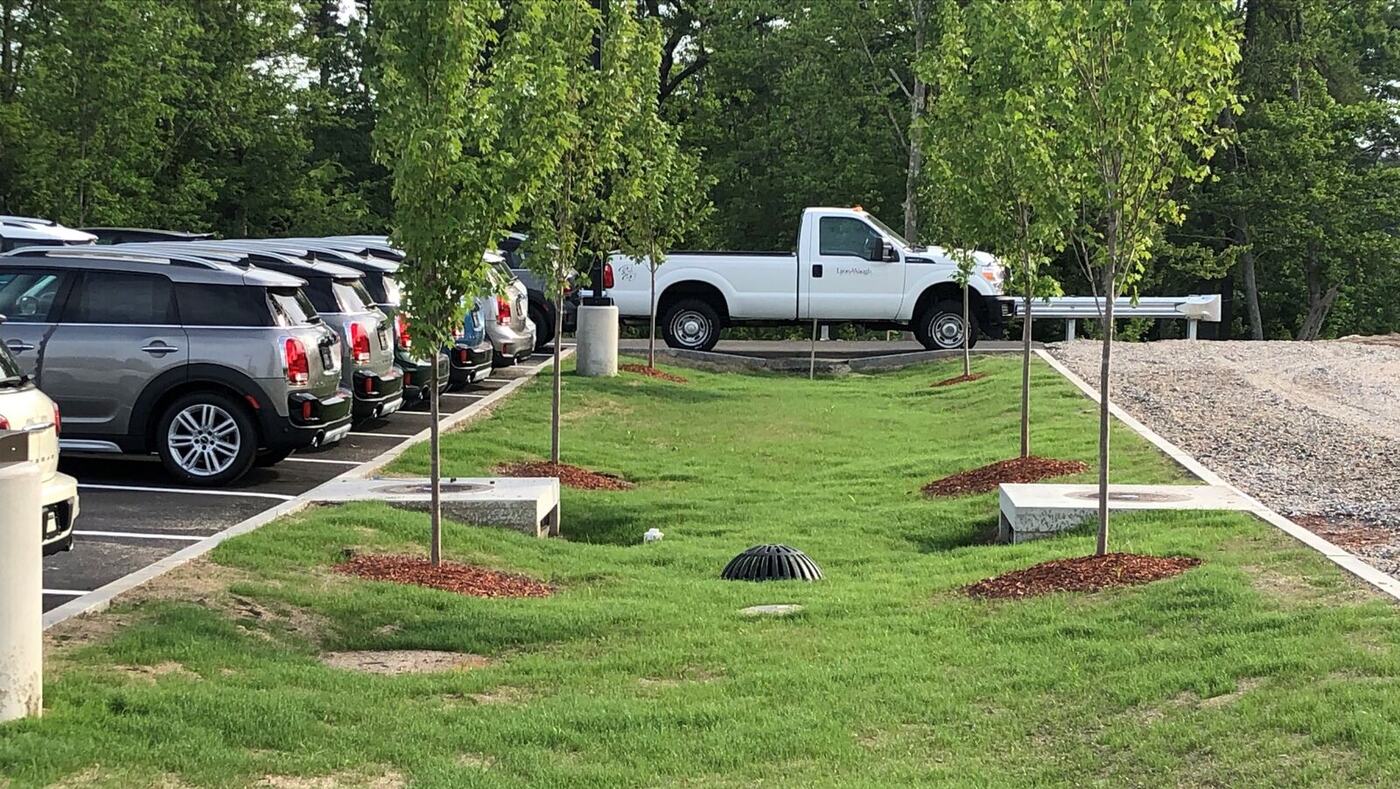
Bioretention with pretreatment at the inlet. Keeping sediment out helps protect the treatment media.
02 / Requirements
| Component | Bioretention | Sand filters |
|---|---|---|
| Inlets and flow paths | Remove debris and sediment from curb cuts, inlets and distribution areas. Repair erosion. | Clear inlet structures and distribution pathways. Check for bypassing or uneven loading. |
| Pretreatment | Clean forebays, filter strips and sumps before sediment reaches the cell. | Measure and remove deposits from sedimentation chambers or other pretreatment components. |
| Filter surface | Remove sediment crust and matted material. Restore the specified surface cover. | Remove accumulated sediment, debris and clogged surface material using the approved maintenance method. |
| Vegetation and mulch | Maintain approved plantings and specified mulch depth. Replace material rather than repeatedly adding layers. | Keep unwanted vegetation out of non-vegetated filter beds. Do not add mulch or topsoil unless the design specifically requires it. |
| Filter media | Assess condition and performance before replacing engineered media. Use the approved mix and depth. | Check sand condition and remaining bed depth. Replenish or replace with the specified gradation and depth. |
| Underdrains and cleanouts | Inspect accessible cleanouts and evaluate drainage restrictions where an underdrain is present. | Inspect collection pipes, cleanouts and drainage layers for obstruction or damage. |
| Outlets and overflows | Keep structures open and maintain approved elevations and flow paths. | Check outlet controls, overflow pathways and structural condition. |
| Inspection and performance | Follow the required inspection schedule and compare drawdown or infiltration with applicable criteria. | Follow the required inspection schedule and compare filtration and drainage performance with applicable criteria. |
03 / Warning signs
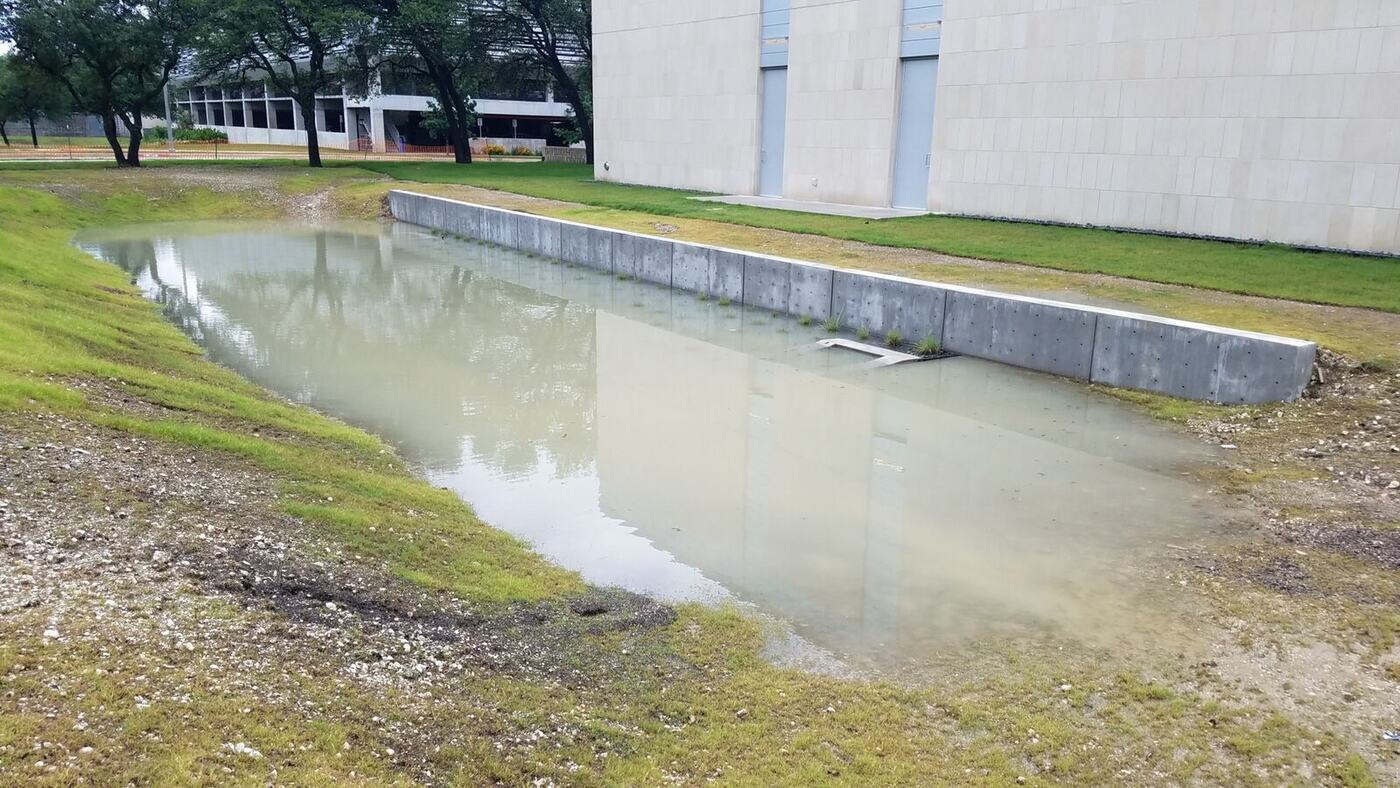
Persistent ponding calls for investigation of the surface, media and drainage pathway.
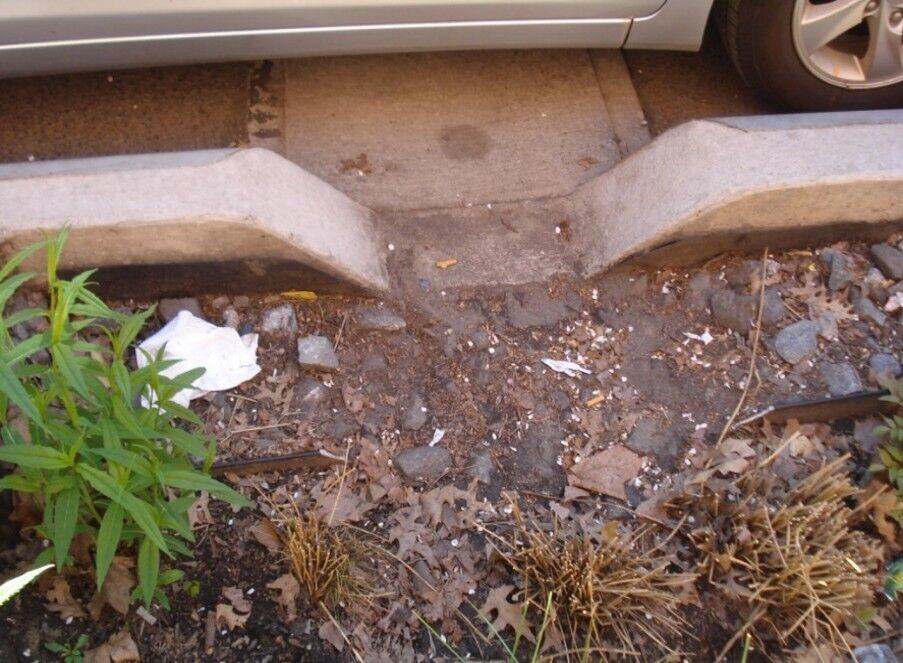
A blocked inlet can prevent runoff from reaching the treatment area.
04 / Find the failure
Fine sediment and organic deposits can restrict water at the surface. Remove the affected material and restore the surface using the method appropriate to the system.
Clogging, compaction or unsuitable material can affect the media profile. Define the replacement depth and material specification from the assessment and approved design.
A blocked underdrain or outlet can hold water even when the filter media remains serviceable. Inspect the drainage pathway and repair the restriction.
A surface cleanout, media replacement and pipe repair are different scopes. Diagnosis keeps the work tied to the actual condition.
05 / Our method
Step 01
Identify the facility type, approved media profile, drainage arrangement and maintenance criteria. Record sediment, surface condition and accessible components.
Step 02
Check drawdown and select infiltration or hydraulic conductivity testing appropriate to the facility and required protocol. Investigate drainage restrictions.
Step 03
Remove sediment and debris from upstream components. Restore bioretention surfaces or clean the sand filter bed using the specified method.
Step 04
Complete the defined media, sand bed, underdrain, inlet or outlet work. Restore vegetation and mulch only where the bioretention design requires them.
Step 05
Record installed materials and completed repairs, photograph the finished condition and verify performance using the applicable method.
06 / Services
07 / In the field
Testing, media work and surface restoration are selected for the facility being serviced.
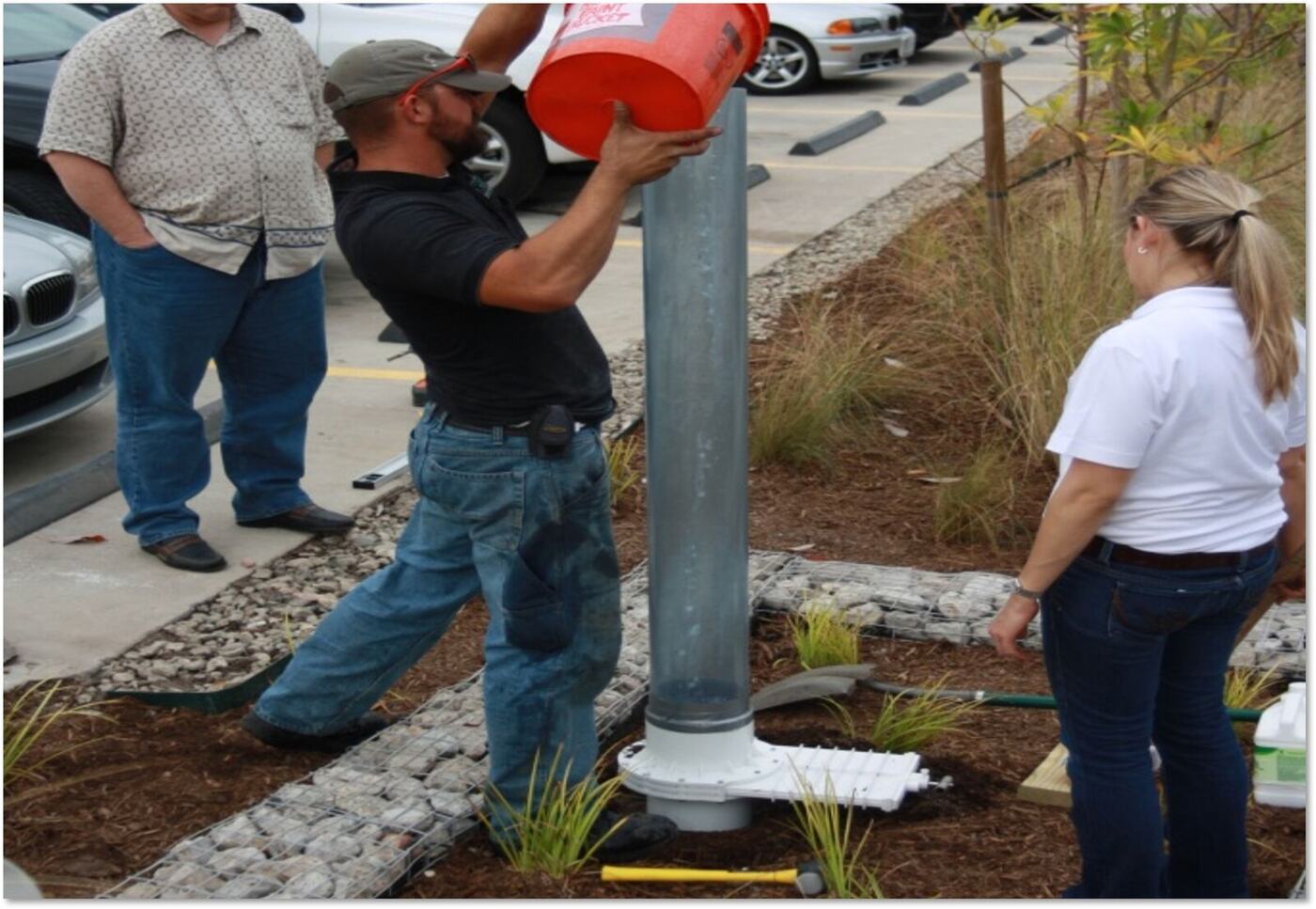
Assessing infiltration in a bioretention cell.
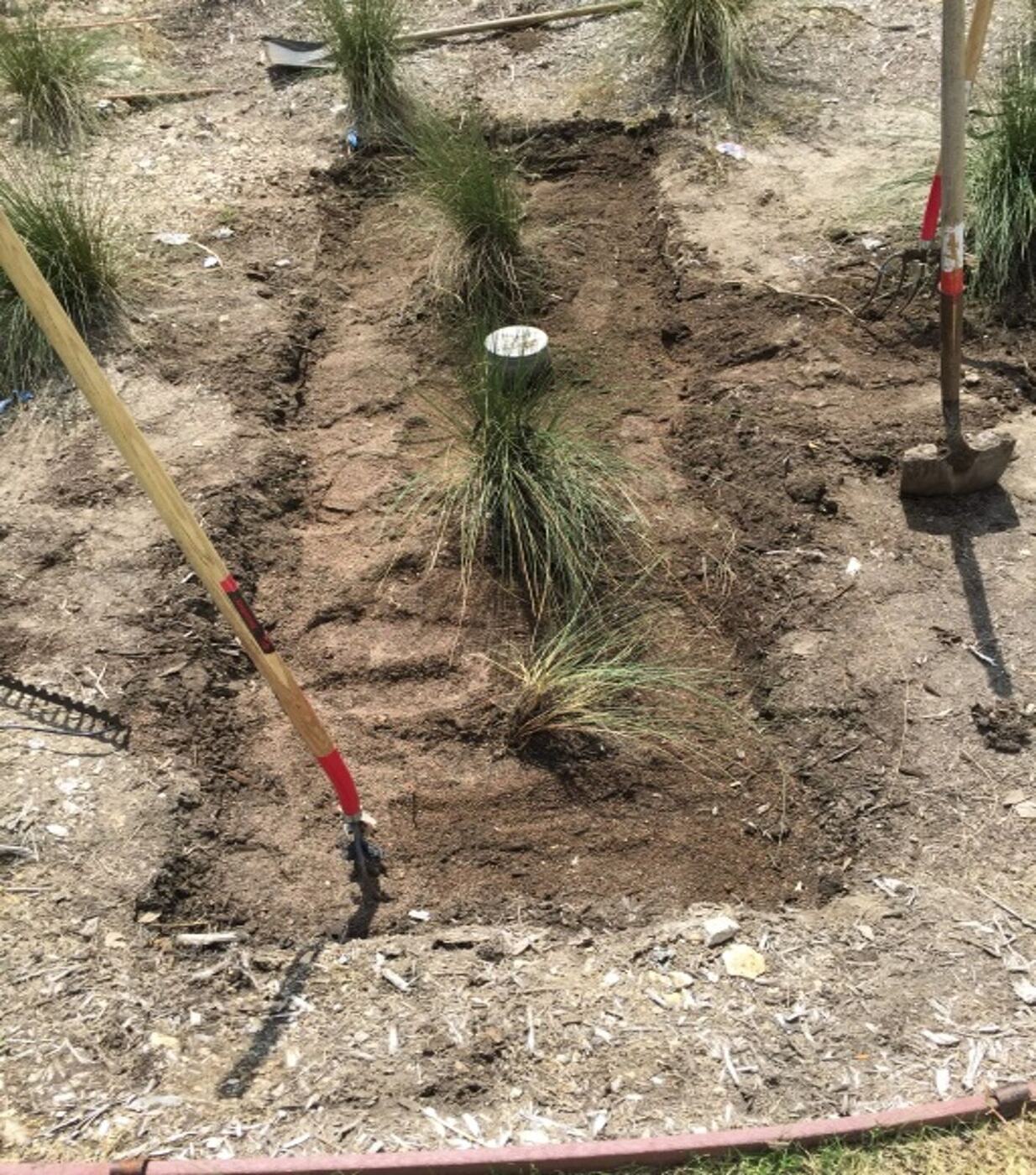
Media and underdrain access during corrective work.
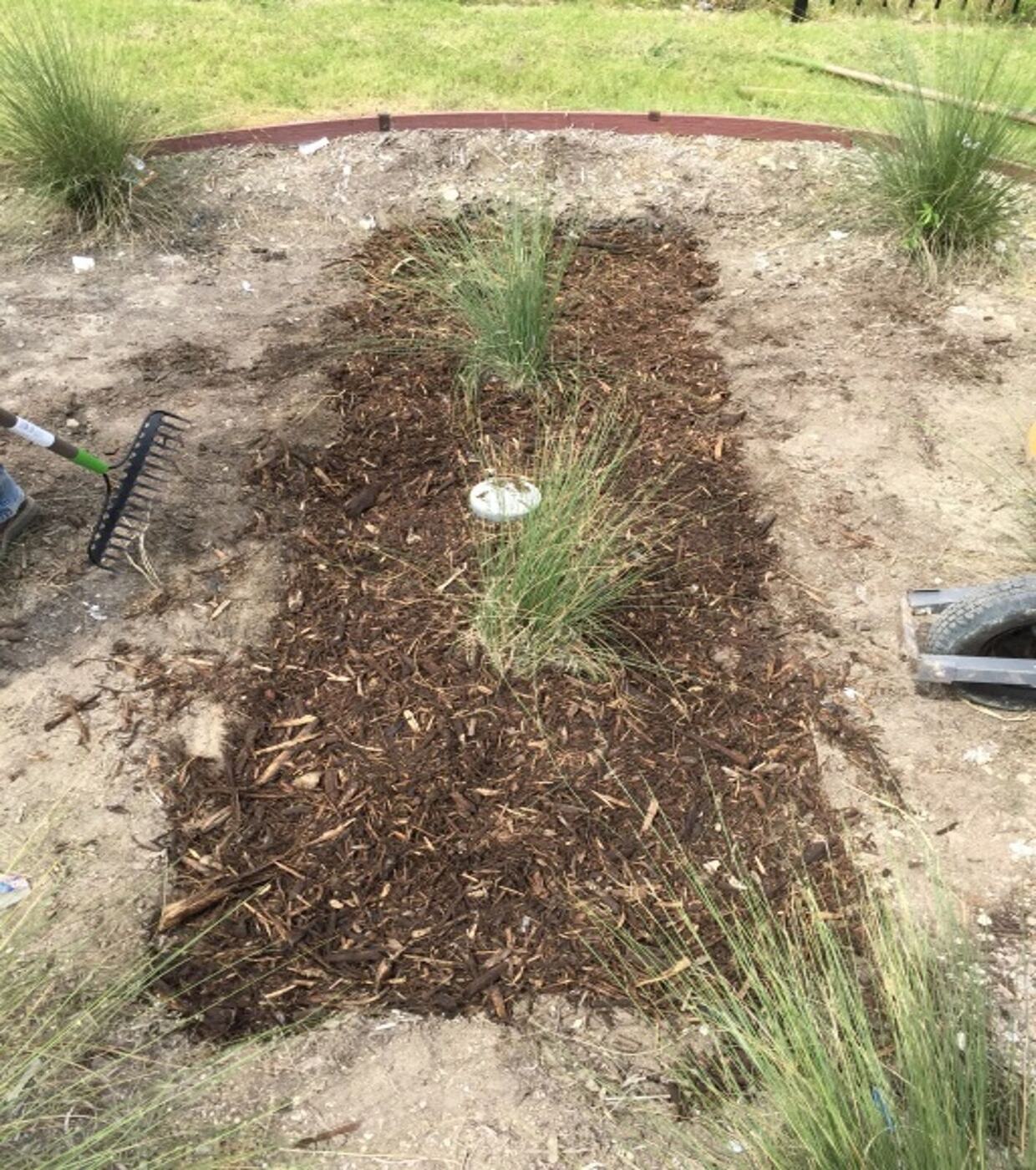
Restored bioretention surface and planting.
08 / The record
Observed drawdown and test results, with the method and applicable criteria recorded.
Media or sand specifications, replacement depth and surface-cover requirements.
What was cleaned, replaced or repaired, supported by before-and-after photographs.
Remaining findings and recommended follow-up aligned with the maintenance plan.
09 / Questions
What to know about bioretention and sand filter maintenance.
Bioretention combines vegetation and engineered treatment media. A sand filter uses a specified sand bed, often with a separate sedimentation or pretreatment stage. Their surface maintenance and material requirements differ, even when both use underdrains.
Possible causes include a clogged surface, restricted media, blocked drainage or downstream conditions. We compare the observed drawdown with the facility’s requirements and investigate the restriction before recommending replacement.
Not automatically. The corrective scope depends on the depth of clogging, remaining sand depth, material condition and drainage performance. Surface cleaning or targeted replacement may be appropriate; more extensive replacement is specified when the assessment supports it.
Only if the approved design explicitly requires it. Conventional non-vegetated sand filters should not receive landscaping mulch or topsoil. Bioretention surface cover must also follow the facility’s approved specification.
Routine litter removal and appropriate plant care can be part of the program. The crew needs the approved planting and maintenance requirements. Avoid adding unsuitable soil, excessive mulch, compacting equipment or leaf debris to the treatment area.
Use the schedule in the approved maintenance plan and applicable local requirements, including any post-storm inspections. Sediment loading, upstream construction and observed performance may justify additional checks or service.
10 / Other BMPs