Maintenance & repair
Inlet basket and catch basin insert maintenance and repair.
Inlet baskets, catch basin inserts, curb inlet filters and hydrocarbon media. Every inlet numbered, emptied, photographed and logged.

Maintenance & repair
Inlet baskets, catch basin inserts, curb inlet filters and hydrocarbon media. Every inlet numbered, emptied, photographed and logged.
Inlet baskets · Catch basin inserts · Curb inlet filters · Hydrocarbon booms · Trench drains
01 / The baseline
Quarterly is a common baseline. Monthly on high-litter sites and during leaf drop. Empty the device before it reaches the manufacturer’s capacity limit, and inspect after large storms. Replace absorbent booms or pouches when they are saturated. A full basket goes into bypass and captures nothing.
Reviewed October 2026.
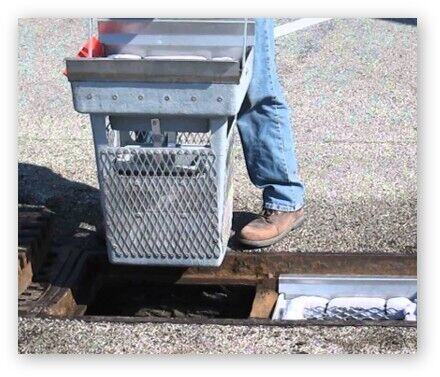
Basket lifted from a curb inlet for cleaning.
02 / Requirements
| Task | Typical frequency | Trigger or standard |
|---|---|---|
| Cleaning | Quarterly baseline; monthly on high-litter sites | Before the manufacturer’s capacity limit. |
| After storms | After major events | Check for bypass, blinding and damage. |
| Absorbent media | When saturated, or per manufacturer | Hydrocarbon booms and pouches replaced. |
| Basket or filter fabric | Every cleaning | No tears. Seated in the frame. |
| Sump and grate | Every cleaning | Sump cleared. Grate secure and level. |
03 / Warning signs
Needs work
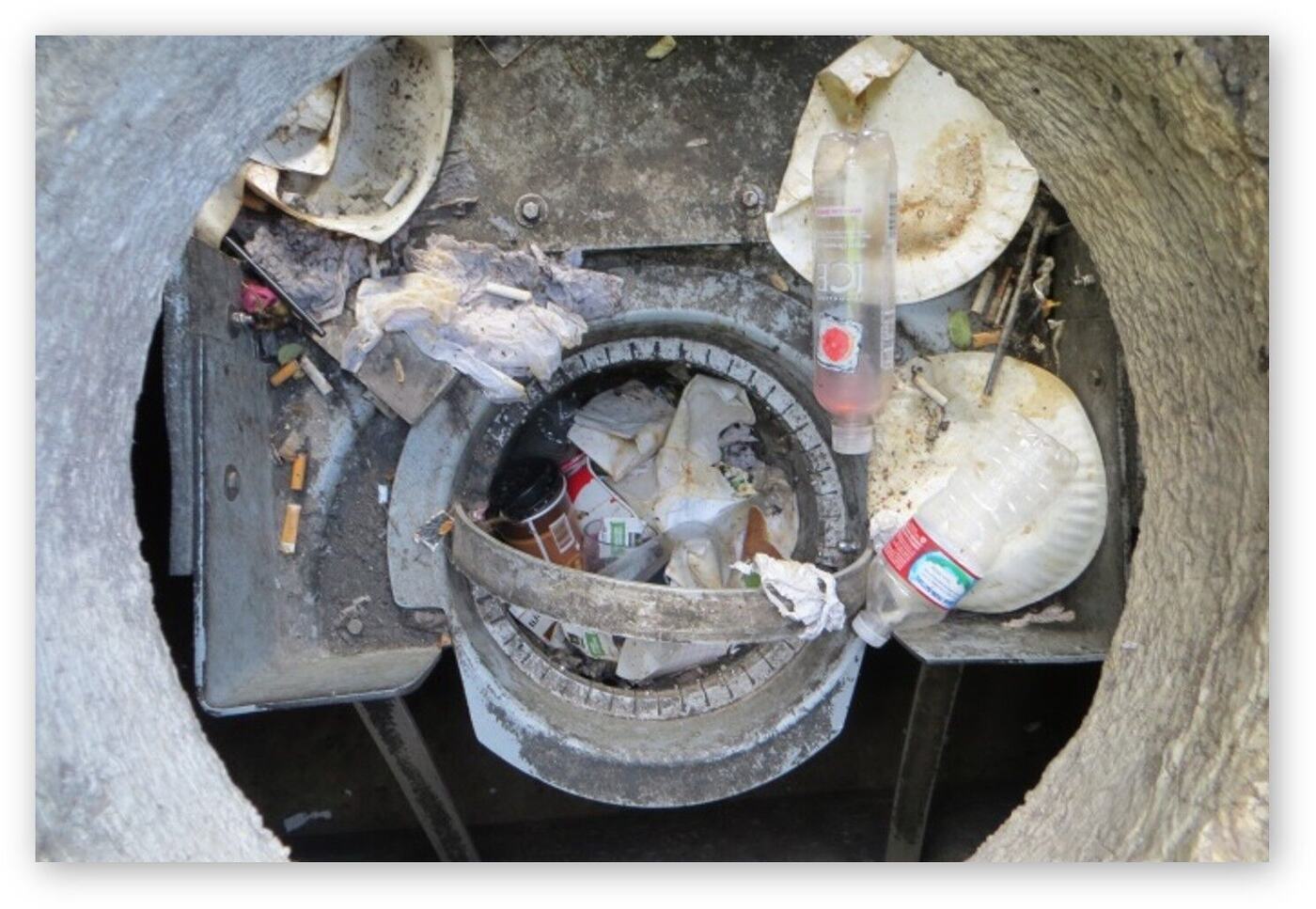
Basket full of trash and food waste
Needs work
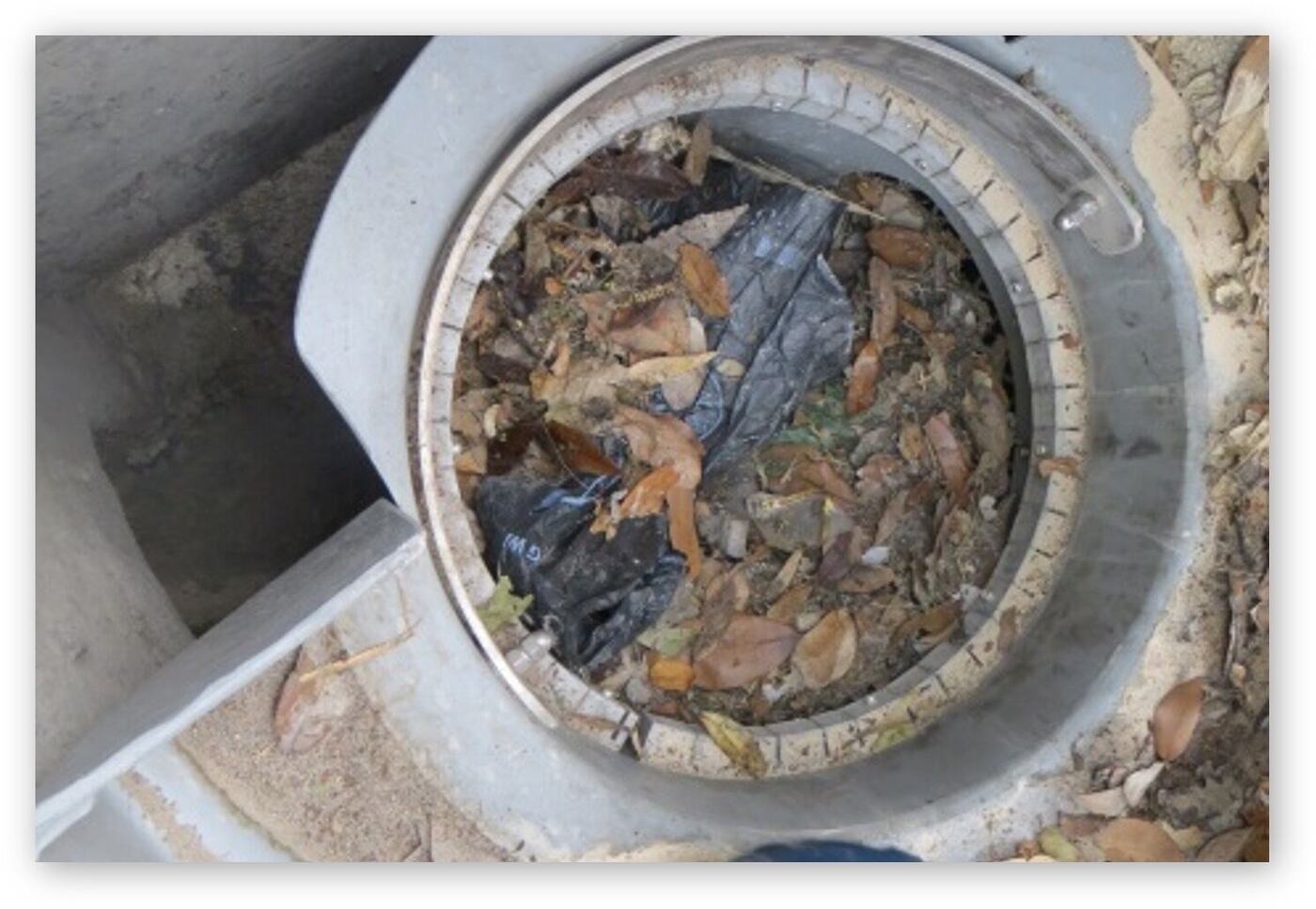
Basket packed with leaves
04 / Our method
Measure first. Price second. Document against the standard.
Step 01
Every inlet on a site map with a number. The number goes on the report.
Step 02
Fill level recorded before anything is removed.
Step 03
Contents removed and bagged. Basket, fabric and frame checked.
Step 04
Booms and pouches swapped when spent.
Step 05
Device seated, after photo, fill level logged to set the next interval.
05 / Services
06 / In the field
Each inlet gets a number, a before photo, a fill level and an after photo. The fill history sets the next interval.
Field work
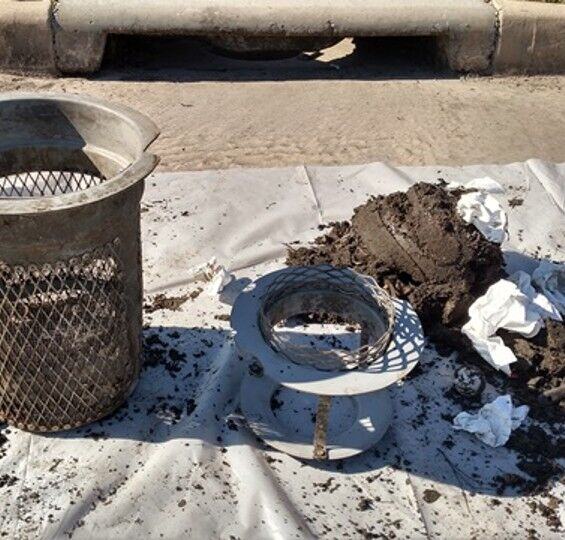
Basket emptied onto a tarp for disposal
Field work
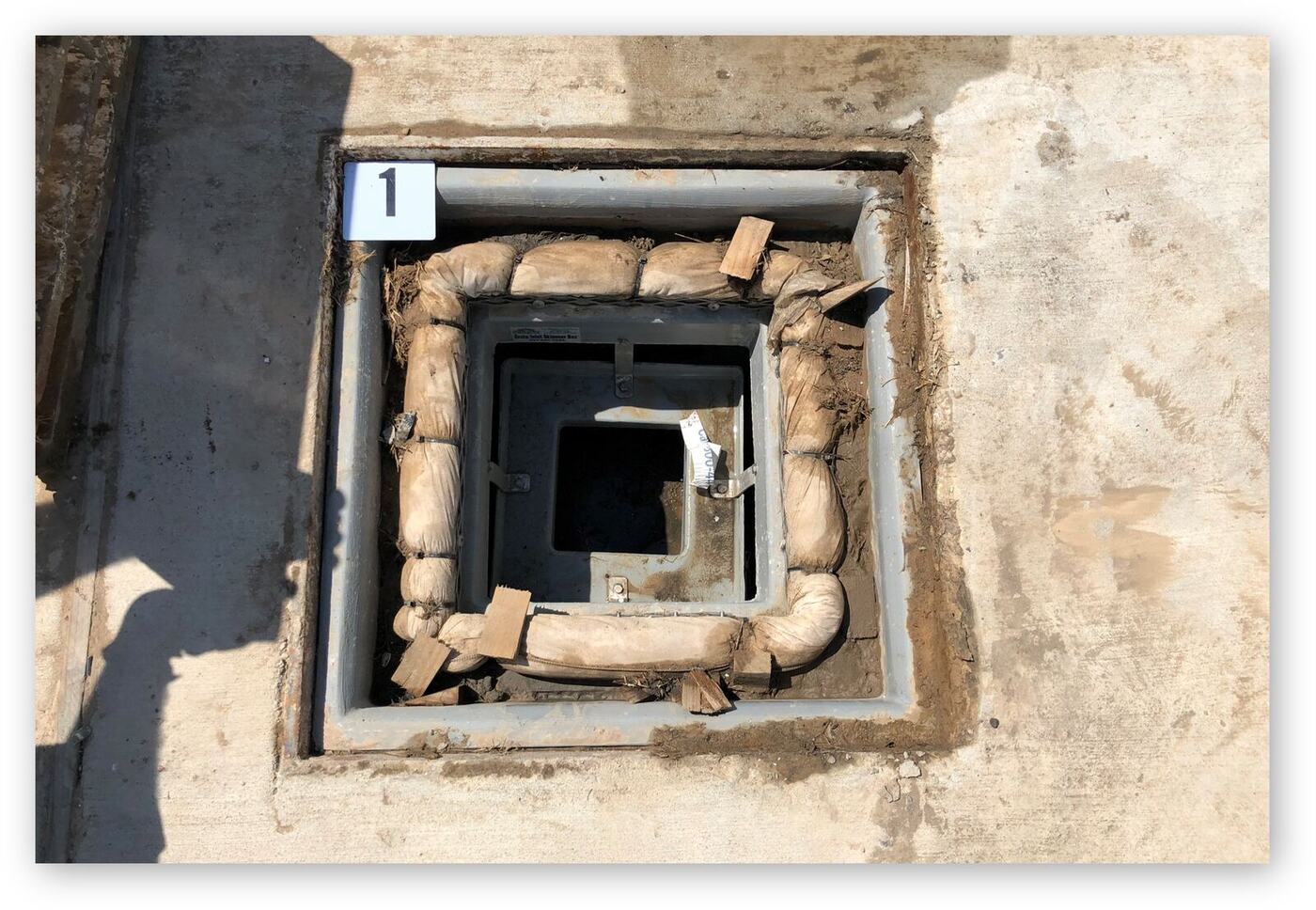
Numbered inlet with insert, logged on the site map
Field work
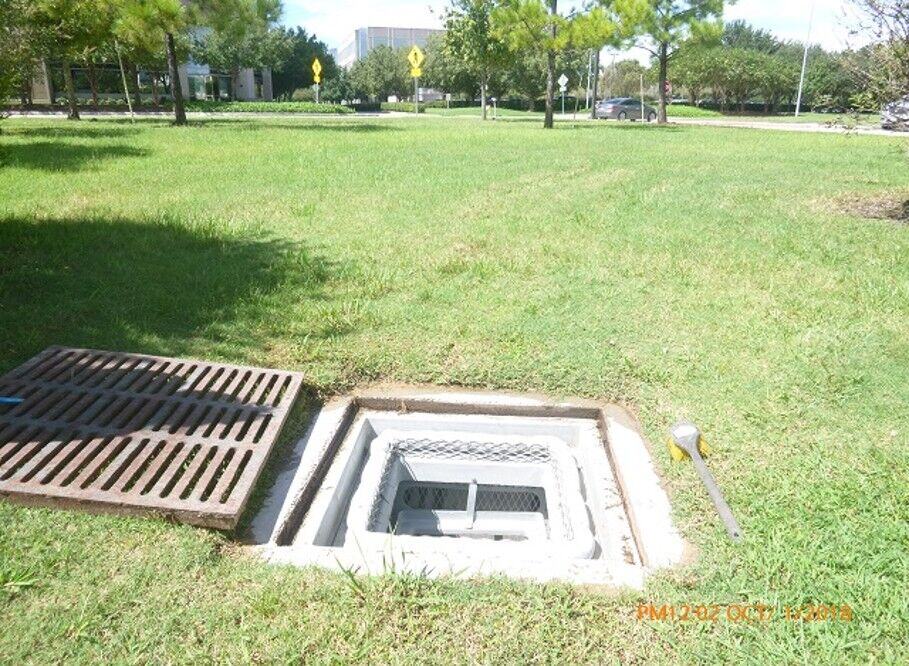
Filter insert seated in a landscape area inlet
Field work
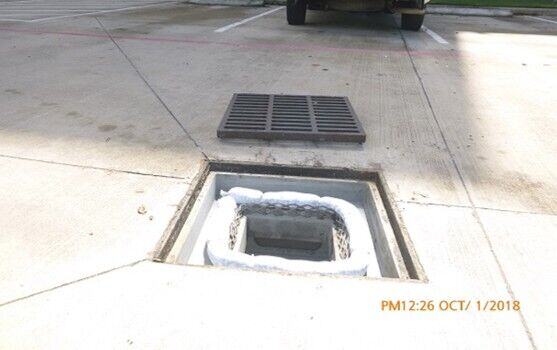
Filter insert seated in a parking lot inlet
07 / Reference
Baseline
Monthly on high-litter sites
Trigger
Per manufacturer
Media
When saturated
Record
Numbered, before and after
08 / Questions
What to know about inlet treatment device maintenance.
Quarterly works for most sites. Fast-food, retail and heavily treed sites often need monthly. The fill level at each visit tells you whether to tighten or relax the schedule.
It fills and goes into bypass, so trash and sediment pass straight through. If the bypass is blocked, water ponds at the inlet.
Some do. The gaps are usually disposal, media replacement and records. If your permit asks for proof, you need the log.
Yes. We size them to the frame and the site’s load, and add them to the maintenance map.
09 / Other BMPs